Preparing your trip

Darjeeling image 1 Darjeeling image 2 Darjeeling image 3 Darjeeling image 4

A journey through the North East

Darjeeling

Sitting proudly on the steep slopes of the Lesser Himalayas in West Bengal, Darjeeling—often celebrated as the 'Queen of the Hills'—is a beautiful blend of bright green tea gardens, lingering colonial architecture, an...

North East India 8 places to explore
Discover the places

The destination

About Darjeeling

A considered guide to the landscapes, culture, and places that make Darjeeling worth discovering.

Sitting proudly on the steep slopes of the Lesser Himalayas in West Bengal, Darjeeling—often celebrated as the 'Queen of the Hills'—is a beautiful blend of bright green tea gardens, lingering colonial architecture, and the ever-present, sweeping views of the massive Kanchenjunga mountain range[cite: 3]. This internationally famous hill station perfectly combines the charm of the British imperial era with a lively Tibetan-Buddhist culture and strong local Gorkha roots[cite: 3].

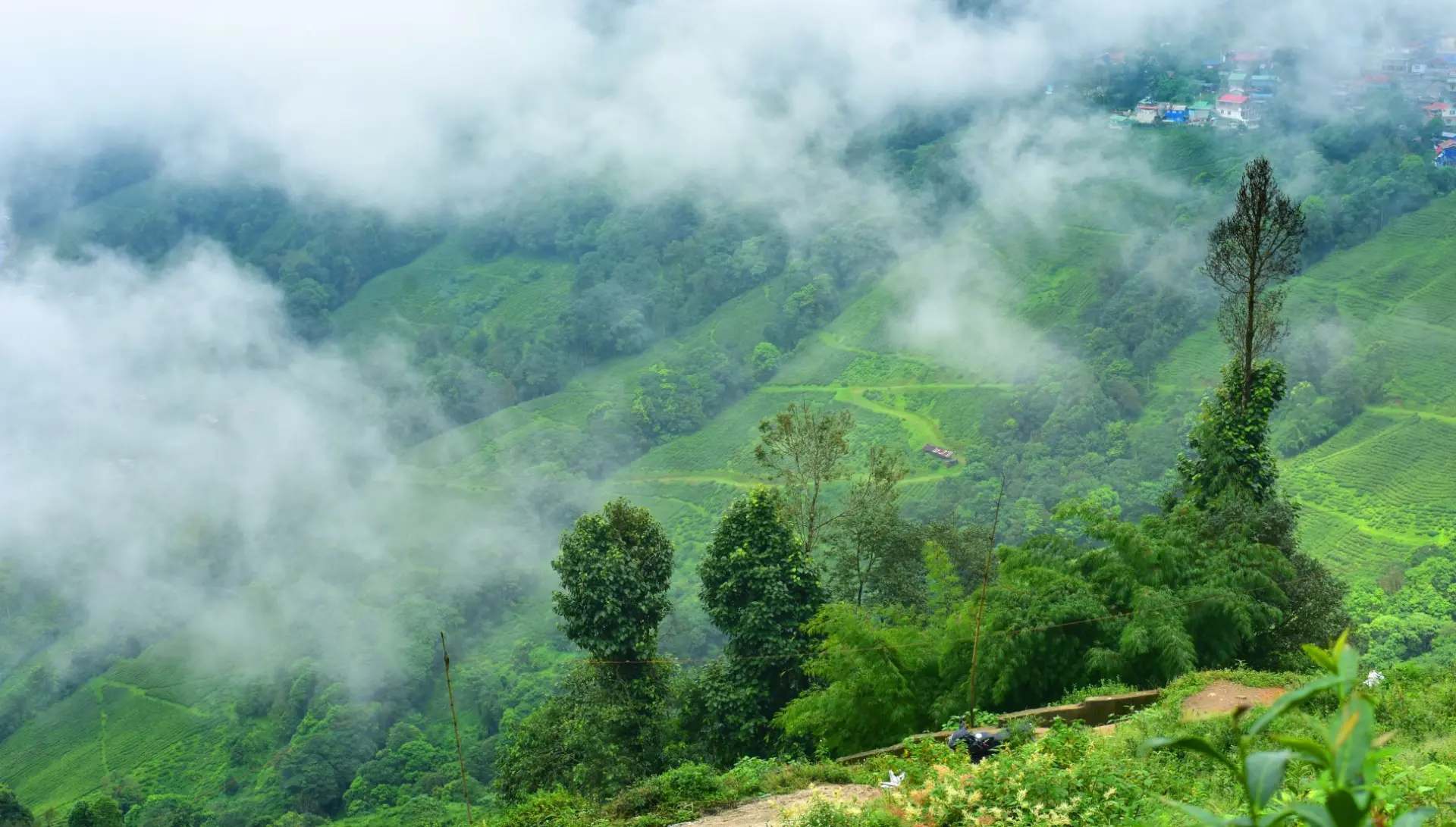
The landscape here is defined by sharp, terraced hills covered in the world-famous Camellia sinensis tea bushes, crisscrossed by winding mountain roads and the historic, narrow tracks of the Darjeeling Himalayan Railway[cite: 3]. Because of its high altitude, the town enjoys a cool, comfortable climate, making it a perfect getaway from the hot plains below, while offering breathtaking views of foggy valleys and bright blue skies[cite: 3].

Darjeeling is perfectly tailored for nature lovers, pleasure seekers, and cultural explorers who are fascinated by traditional tea farming, old-world train engineering, mountain wildlife, and unique local customs[cite: 3]. Its lasting romantic vibe, combined with its busy, diverse walking streets, makes it an unforgettable highlight of Himalayan travel[cite: 3].

Lower HimalayasHill QueenTea PlantationsBritish HeritageKanchenjunga SightsUNESCO Heritage SiteHill RailwayNature LoversCultural ExplorationMountain Retreat
Best timeFrom March until May
ElevationAround 2,042 meters (or 6,700 feet)
Typical climateRanging from about 2°C to 19°C

Build your itinerary

Places to explore

Start with the experiences that best fit the way you want to travel.

Place 01

Tiger Hill

ActivitiesWatching the sunriseTaking landscape photosViewing the mountainsEarly morning trip

Standing as the highest point in the Darjeeling area at an impressive elevation of about 2,590 meters, Tiger Hill offers a magical setting for watching the sunrise[cite: 3]. It attracts crowds of visitors and nature lovers every morning who gather to watch the sun make its daily return[cite: 3].

As the very first rays of morning light break through the darkness, they create a breathtaking display of colors on the snow-covered peaks of Kanchenjunga, and on very clear days, you can even spot the distant tip of Mount Everest[cite: 3]. This brief, glowing moment makes Tiger Hill a must-visit spot for anyone who loves dramatic natural beauty[cite: 3].

Sunrise SpotKanchenjungaMt. EverestHigh ElevationPhotographyNatural Event
Tiger Hill image 1 Tiger Hill image 2 Tiger Hill image 3
Place 02

Darjeeling Himalayan Railway (Toy Train)

ActivitiesRiding the heritage trainTaking picturesLearning railway historyShort ride to Ghum

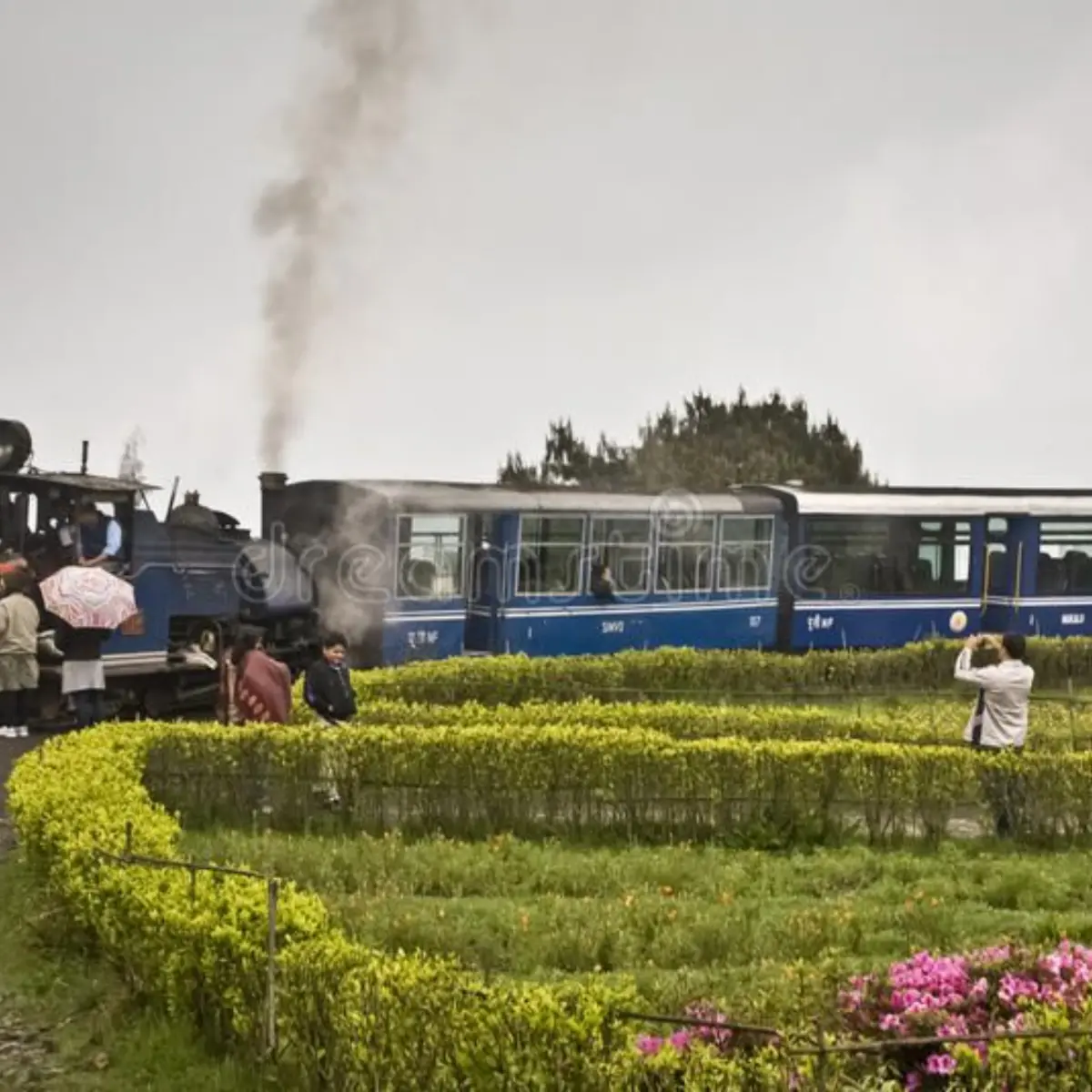
Recognized globally as a UNESCO World Heritage site, the Darjeeling Himalayan Railway is an incredible survival of 19th-century engineering[cite: 3]. This small, narrow-gauge train travels along a twisting, complicated path, working hard as it climbs up from the flatlands of New Jalpaiguri all the way to the high-altitude station in Darjeeling[cite: 3].

Known affectionately as the 'Toy Train,' it features old-fashioned steam engines and moves at a slow, rhythmic pace, giving passengers a deeply nostalgic and relaxing ride through busy local markets, thick green forests, and incredibly steep hills[cite: 3]. It is much more than just a way to get around; it is a step back in time into the history of colonial railway building[cite: 3].

UNESCO SiteHistoric TrainColonial Era RailwayToy Train RideBeautiful JourneyCultural Icon
Darjeeling Himalayan Railway (Toy Train) image 1 Darjeeling Himalayan Railway (Toy Train) image 2 Darjeeling Himalayan Railway (Toy Train) image 3 Darjeeling Himalayan Railway (Toy Train) image 4
Place 03

Batasia Loop

ActivitiesEnjoying the sceneryTaking picturesHonoring historyWalking the gardensLooking at mountains

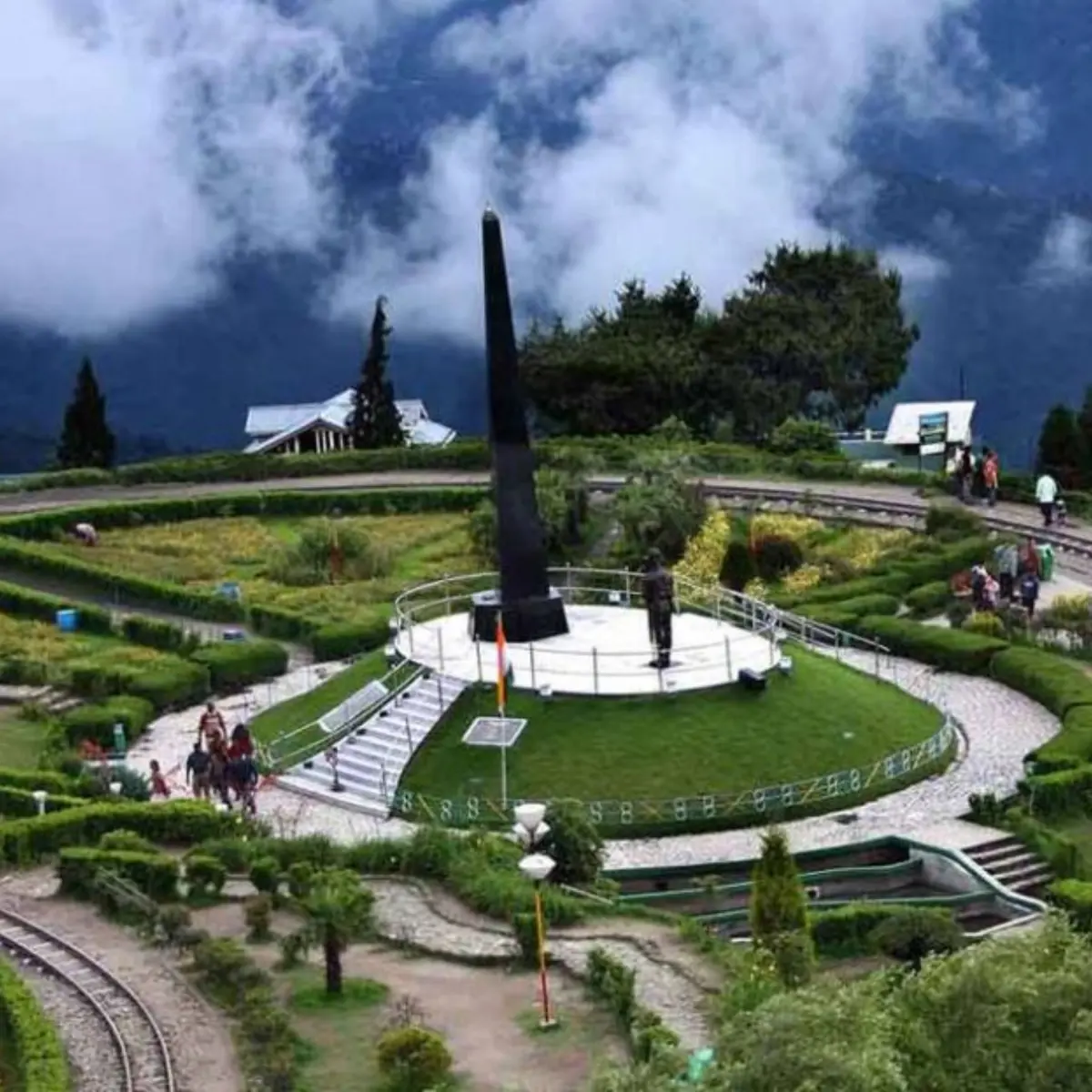
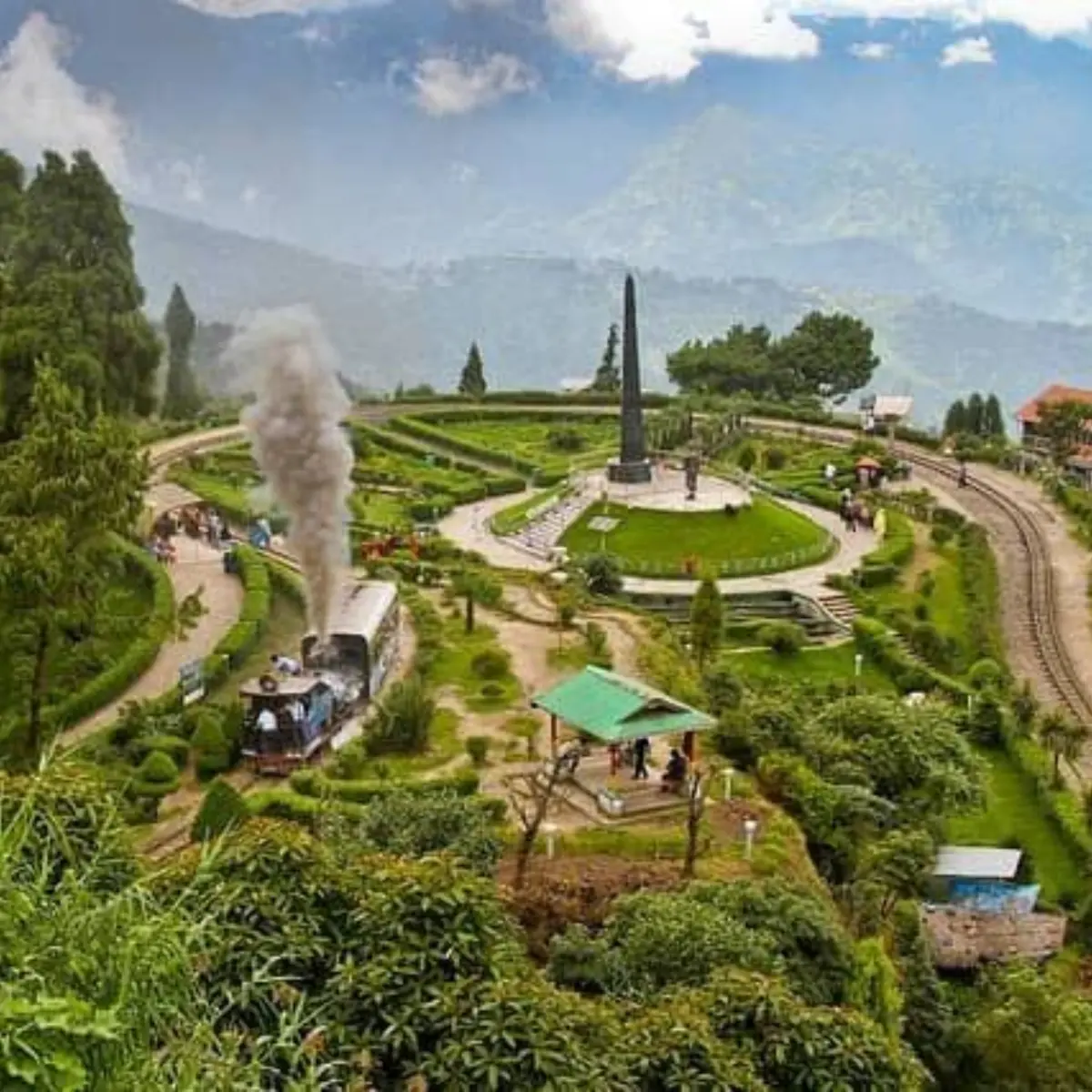
The Batasia Loop is a brilliant piece of engineering created to help the Darjeeling Himalayan Railway handle the incredibly steep climb up the mountain[cite: 3]. At this spot, the train completes a fascinating, full 360-degree circle, creating a beautiful scene against a backdrop of carefully kept flower gardens[cite: 3].

Right in the middle of this railway circle sits a simple but powerful monument dedicated to the brave Gorkha soldiers who died fighting in various wars around the world[cite: 3]. The wide, open views from this area offer a perfect, sweeping look at the town of Darjeeling and the massive Kanchenjunga mountain range behind it[cite: 3].

Railway DesignSoldiers MemorialSweeping ViewsFlower GardensTaking PhotosHistoric Location
Batasia Loop image 1 Batasia Loop image 2 Batasia Loop image 3 Batasia Loop image 4
Place 04

Happy Valley Tea Estate

ActivitiesTouring the tea farmTasting different teasTaking photosWalking outsideLearning local culture

Spreading out over the rolling hills just outside the center of town, the Happy Valley Tea Estate is a respected and historic farm focused on growing some of the finest traditional teas in the world[cite: 3]. Founded back in the middle of the 19th century, it perfectly represents the farming and business history of Darjeeling[cite: 3].

Guests have the special opportunity to take guided walks through the lush, carefully trimmed tea bushes, followed by a hands-on experience smelling and tasting the teas inside the processing factory[cite: 3]. The estate provides a brilliant, up-close look at the careful art of picking, drying, rolling, and fermenting what is often called the 'Champagne of Teas'[cite: 3].

Tea FarmFarming HeritageAgricultural ViewsWalking in NatureFood TourismTaking Pictures
Place 05

Padmaja Naidu Himalayan Zoological Park

ActivitiesLooking at animalsTaking picturesLearning about conservationWalking in the woods

The Padmaja Naidu Himalayan Zoological Park is a world-famous, high-altitude zoo focused entirely on protecting and breeding endangered mountain animals[cite: 3]. Set inside a thick forest of old oak and birch trees, it creates a perfect, natural home for creatures that only live in the mountains[cite: 3].

The zoo is widely praised for its highly successful breeding programs, especially for the shy Red Panda (Ailurus fulgens) and the beautiful Snow Leopard (Panthera uncia)[cite: 3]. It gives animal experts and everyday tourists a rare chance to see unique Himalayan animals, wolves, and birds living in spaces that closely match their wild homes[cite: 3].

Mountain ZooAnimal ProtectionRed PandasSnow LeopardsAnimal DiversityNature Spot
Padmaja Naidu Himalayan Zoological Park image 1 Padmaja Naidu Himalayan Zoological Park image 2 Padmaja Naidu Himalayan Zoological Park image 3
Place 06

Chowrasta (The Mall)

ActivitiesRelaxed walkingBuying souvenirsEating local foodWatching peopleRiding poniesTaking pictures

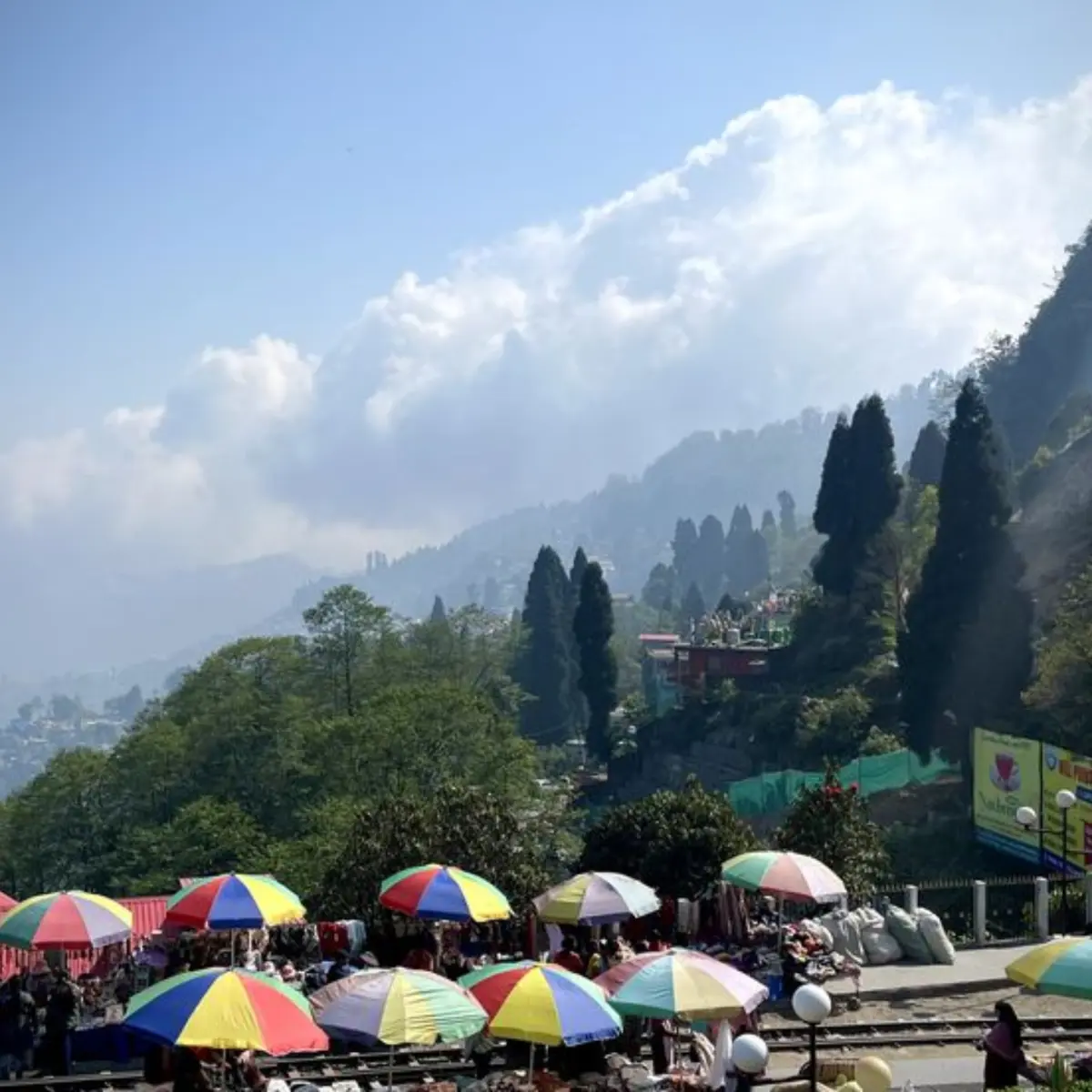
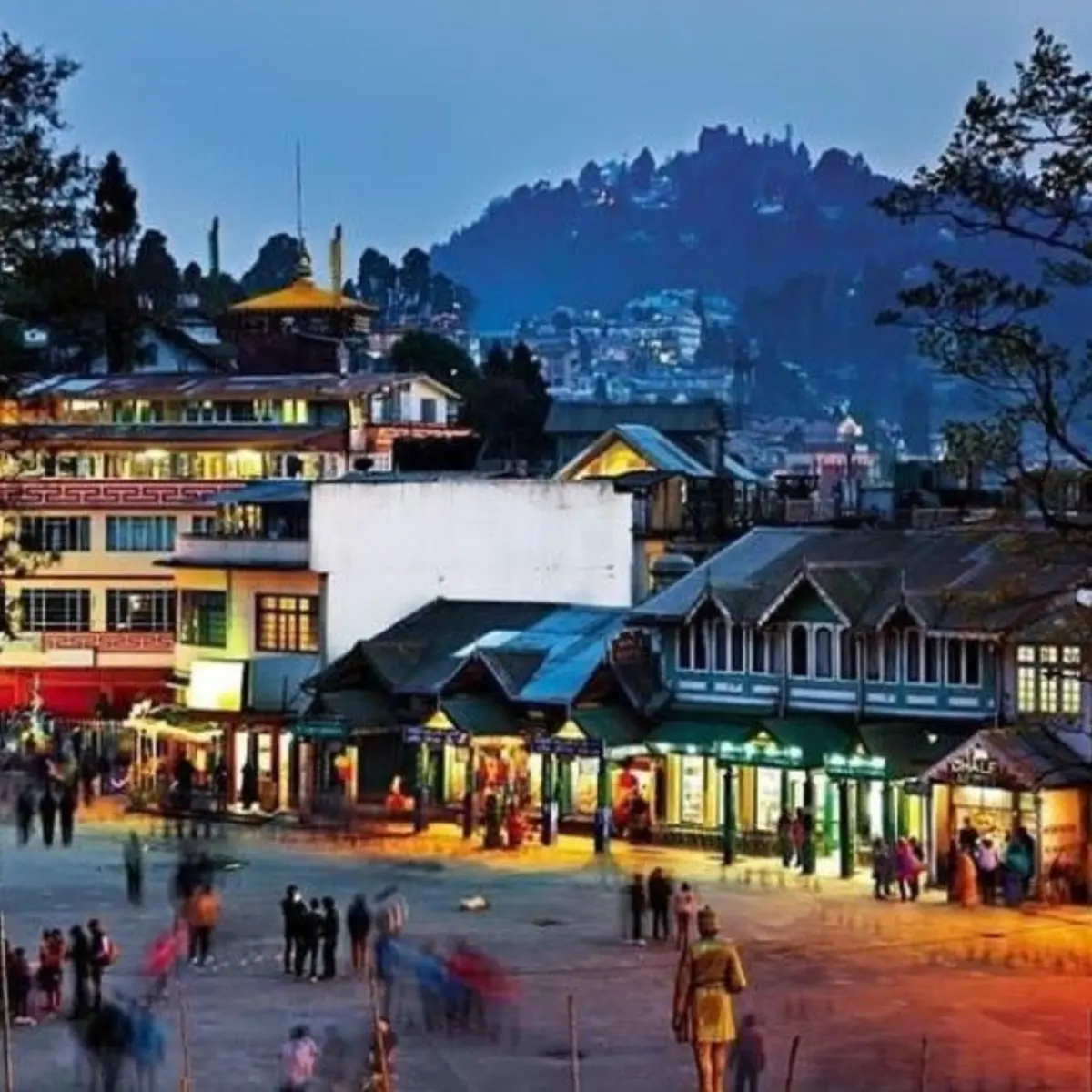
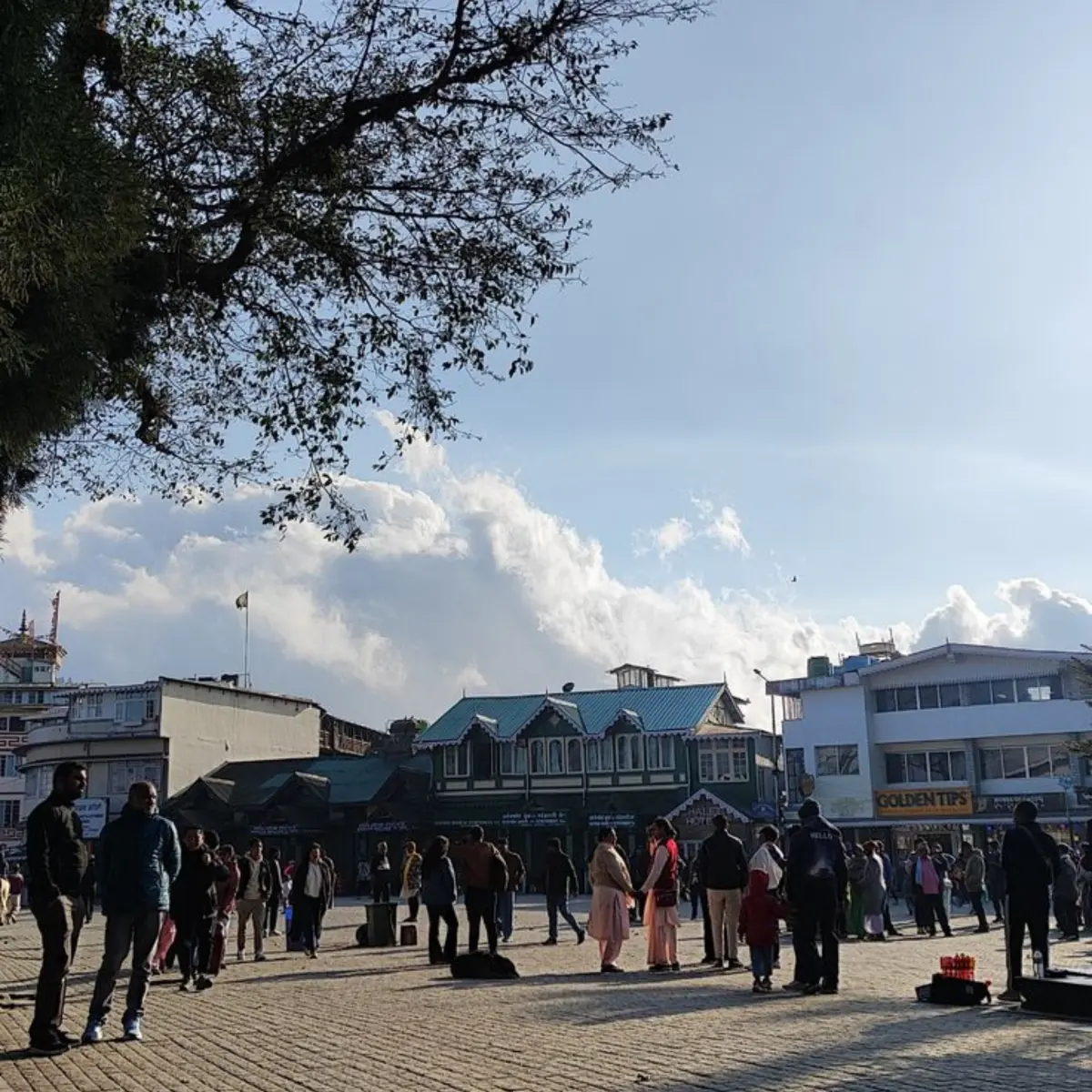
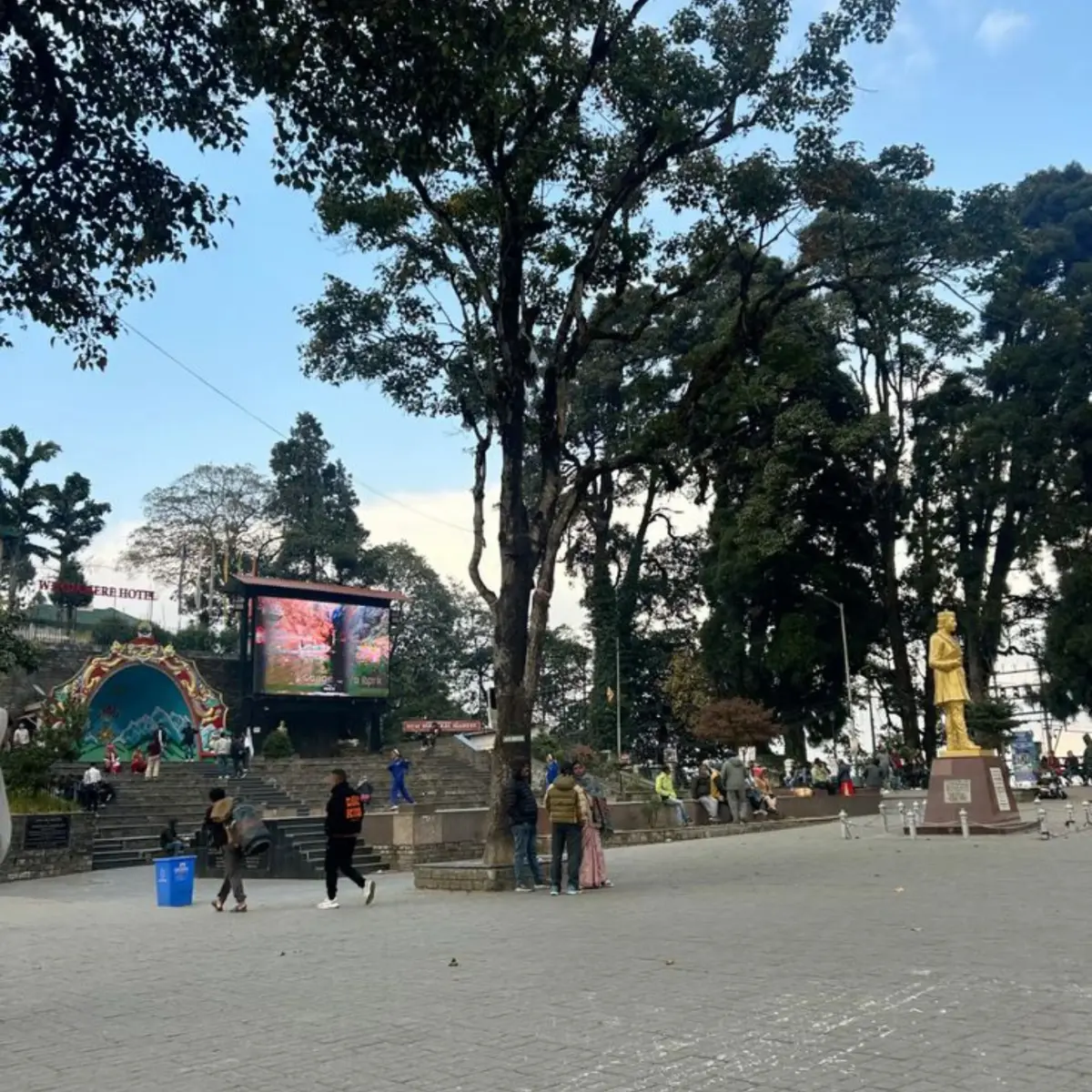
Chowrasta, usually called 'The Mall,' is the lively center of town and the main walking street in Darjeeling[cite: 3]. Completely free from the noise of cars, this wide, historic stone square is surrounded by a mix of old colonial shops, classic bookstores, and traditional places to drink tea[cite: 3].

It acts as a bustling, welcoming meeting place where traveling tourists and locals come together to enjoy the fresh mountain breeze, take pony rides, or just relax and look out over the incredible valleys that drop down sharply from the edge of the hill[cite: 3].

Main SquareWalking StreetBritish BuildingsLocal ShoppingCultural Meeting PointRelaxation Area
Chowrasta (The Mall) image 1 Chowrasta (The Mall) image 2 Chowrasta (The Mall) image 3
Place 07

Himalayan Mountaineering Institute (HMI)

ActivitiesTouring the museumLearning about historyTaking photosEducational trips

Located right next to the Zoological Park, the Himalayan Mountaineering Institute is a highly respected center for climbing history and a top school for high-altitude training[cite: 3]. Created to celebrate the historic first climb of Mount Everest by Tenzing Norgay and Edmund Hillary, HMI serves as a tribute to human determination and bravery[cite: 3].

The institute features a carefully organized museum that displays both old and new climbing gear, historical records, and personal items belonging to famous climbers[cite: 3]. It is a must-visit spot for anyone interested in adventure, offering a deep look into the difficult history of mapping the Himalayas and reaching their highest peaks[cite: 3].

Mountain ClimbingHistory MuseumTenzing Norgay TributeHistory of AdventureCultural SpotLearning Experience
Himalayan Mountaineering Institute (HMI) image 1 Himalayan Mountaineering Institute (HMI) image 2 Himalayan Mountaineering Institute (HMI) image 3
Place 08

Peace Pagoda & Japanese Temple

ActivitiesExperiencing spiritualityPracticing meditationTaking picturesEnjoying the architectureLooking at the view

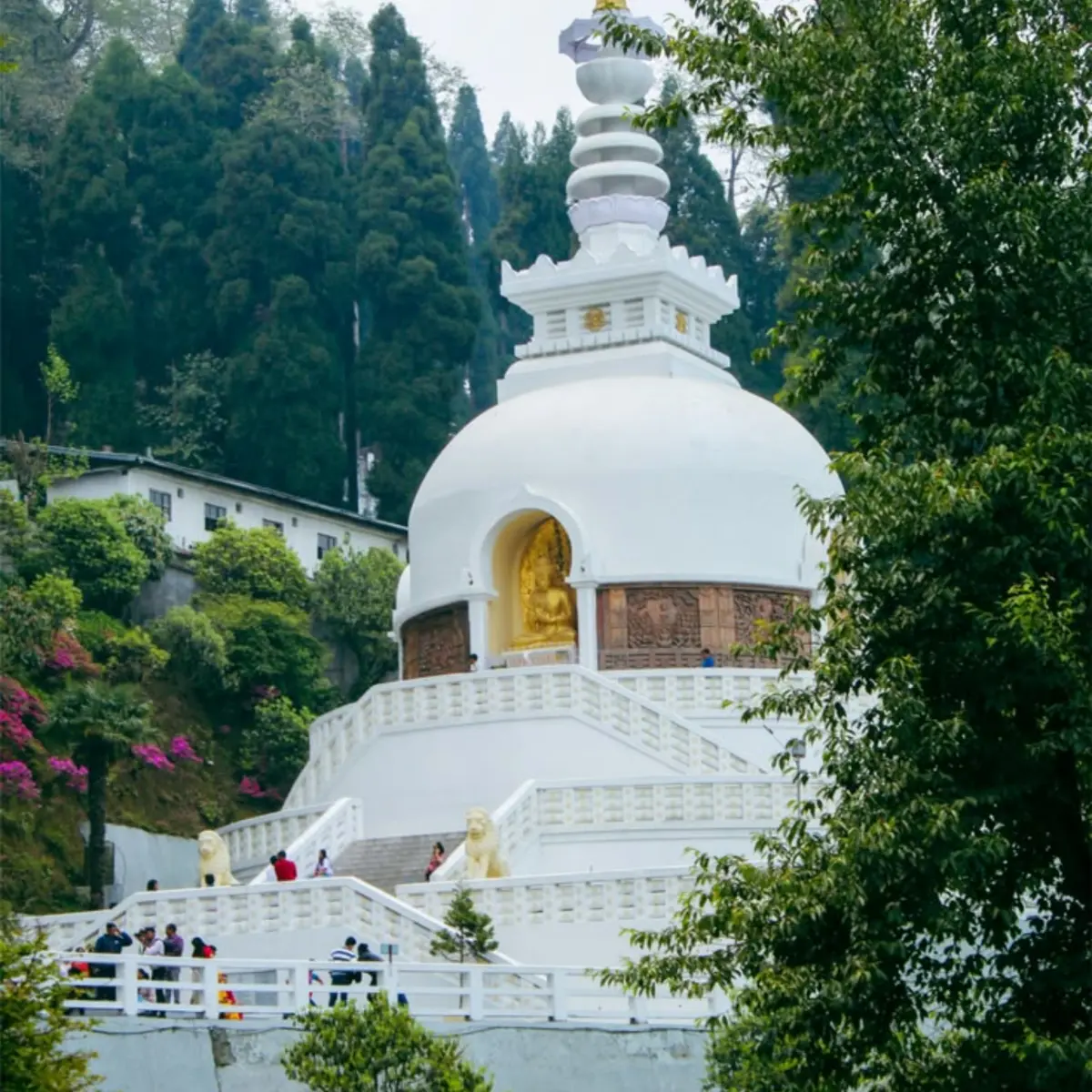
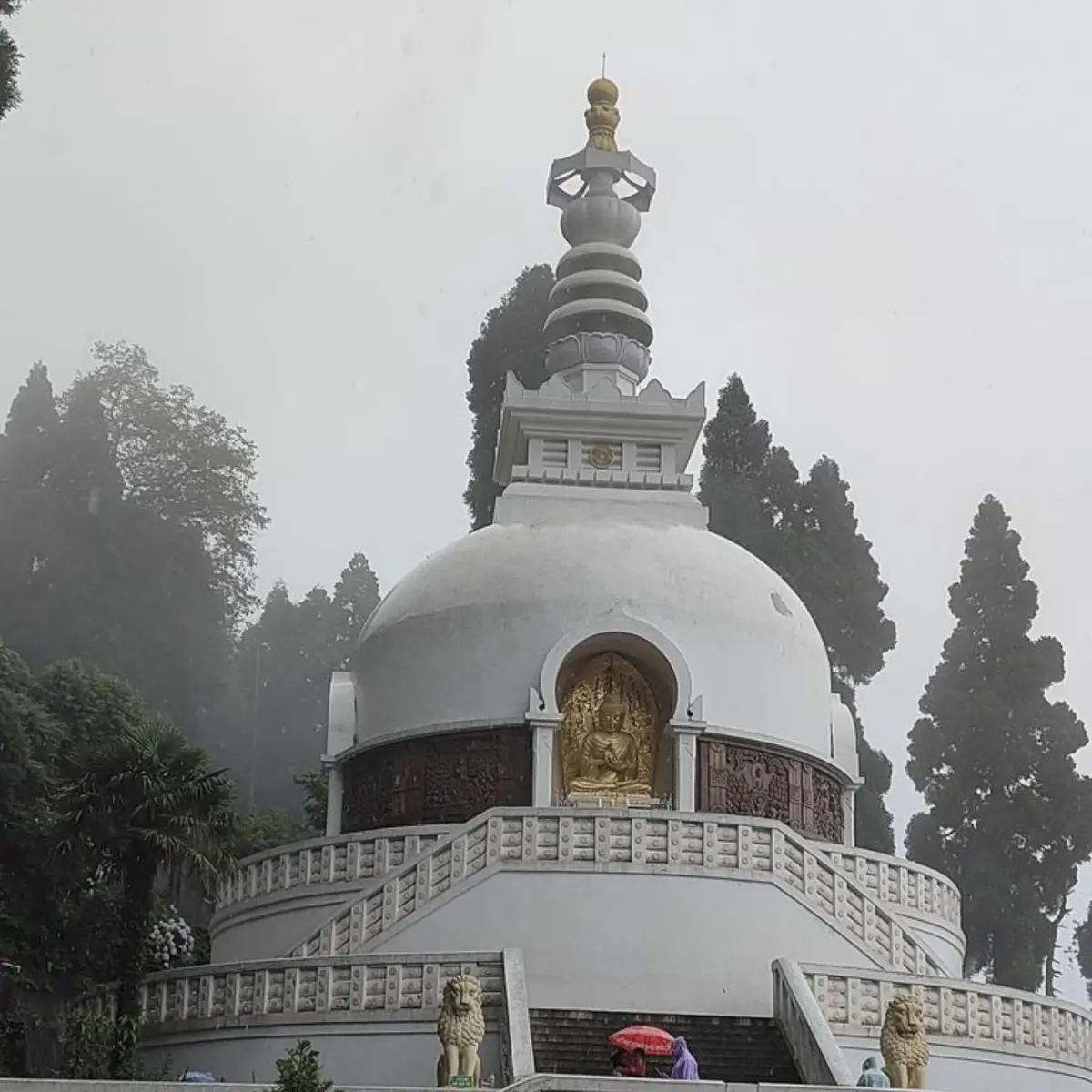
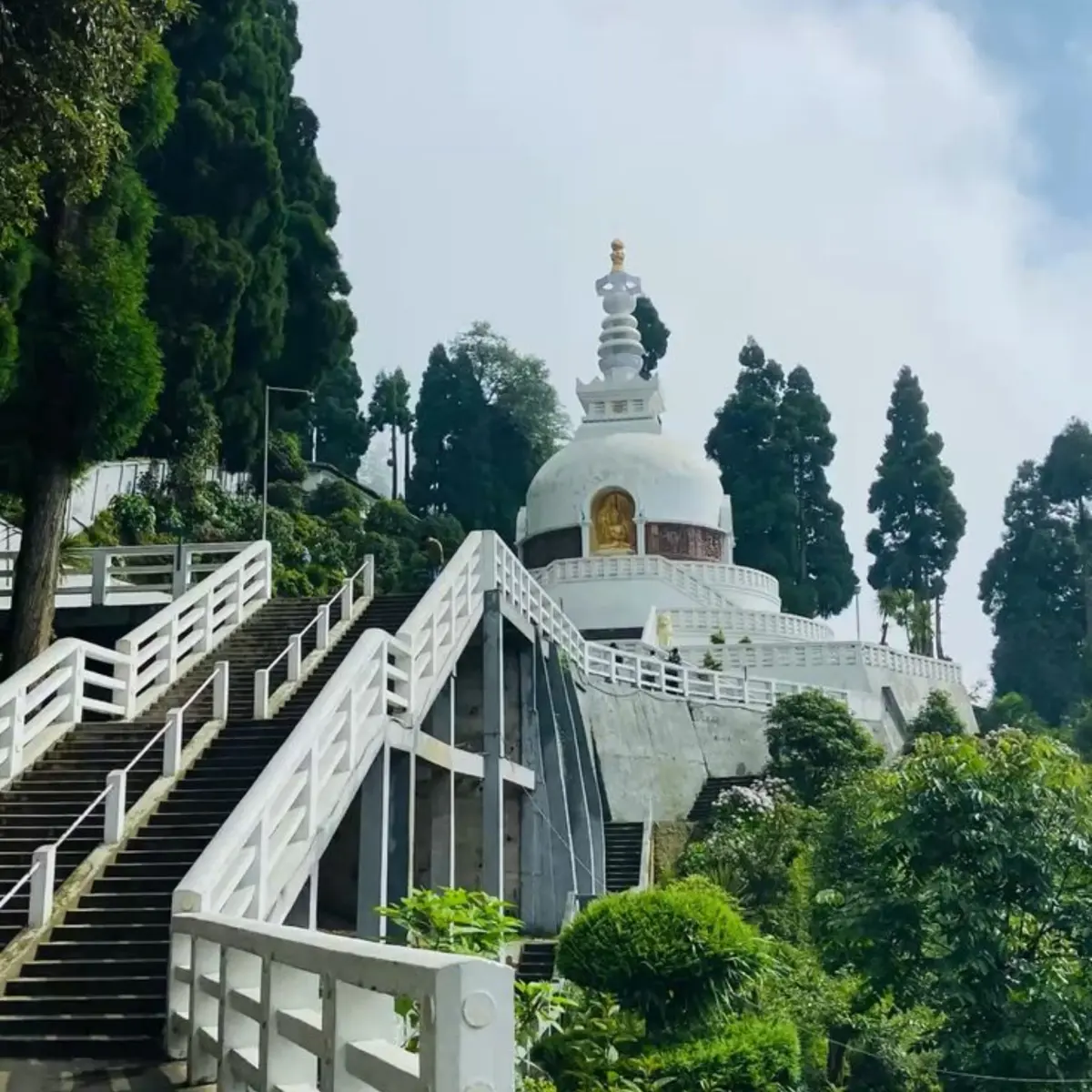
Standing out brightly against the green hills, the Japanese Peace Pagoda is a shining white monument built to represent worldwide friendship and spiritual peace[cite: 3]. Opened by the Nipponzan Myohoji Buddhist group, the structure features beautiful, golden carvings that tell the life story and teachings of Siddhartha Gautama (the Buddha)[cite: 3].

Right next to the pagoda is a classic Japanese temple, known for its simple and graceful wooden design[cite: 3]. The deep, steady sound of the temple drums playing during daily prayers creates a highly relaxing and meditative atmosphere, providing a pocket of deep calm on the busy hillside[cite: 3].

Buddhist ShrineSpiritual TravelPagoda of PeaceTemple DesignQuiet MeditationSweeping Views
Peace Pagoda & Japanese Temple image 1 Peace Pagoda & Japanese Temple image 2 Peace Pagoda & Japanese Temple image 3

Plan with confidence

Travel details

Practical information for planning your time in Darjeeling.

When to go

Primary
From March until May
Secondary
During October and November
Description

The absolute best times to fully enjoy Darjeeling match up with the bright arrival of spring and the clear, crisp skies of autumn, right after the heavy rains[cite: 3]. Between March and May, the weather is wonderfully comfortable, featuring gentle breezes and a stunning explosion of rhododendron and magnolia flowers covering the hills[cite: 3].

On the other hand, October and November are highly prized because the weather is incredibly stable and the monsoon fog has completely cleared, offering perfectly sharp, stunning views of the Kanchenjunga mountains against bright blue skies[cite: 3]. Winter brings a sharp, freezing cold, which is perfect for travelers who love frosty mornings and sitting by a warm fire[cite: 3].

The monsoon season, which dominates the area from June to September, regularly brings heavy, nonstop rain and thick, blocking fog[cite: 3]. Even though this season makes the tea gardens look incredibly bright and green, it severely limits sightseeing and can sometimes cause travel delays due to blocked roads[cite: 3].

Know before you go

Elevation
Value
Around 2,042 meters (or 6,700 feet)
Unit
meters above sea level
Description

Resting easily in the comfortable middle altitudes of the Lesser Himalayas, Darjeeling's height is the exact reason for its famous, healthy climate[cite: 3]. This specific elevation creates the exact soil and weather combination needed to grow the area's world-famous traditional teas[cite: 3].

Climate
Average Range
Ranging from about 2°C to 19°C
Summer
Typically 10°C to 19°C
Winter
Typically 2°C to 9°C
Description

Darjeeling completely avoids the intense, burning heat found in the Indian plains, keeping a steadily cool and refreshing temperature year-round[cite: 3]. The summers are wonderfully gentle, needing only light layers of clothing, while the winter months require thick, warm clothes to keep out the biting cold[cite: 3].

How to reach

By Air
Name

Flying In

The main airport used to reach Darjeeling is Bagdogra Airport, located about 70 kilometers away down in the flatlands[cite: 3]. It offers excellent flight connections across India and acts as the main landing spot for people traveling by air[cite: 3].

After landing at Bagdogra, travelers have a beautiful, roughly three-hour drive up the mountain using rented taxis or shared cars, experiencing a stunning change in scenery from the flat plains up into the steep hills of the Himalayas[cite: 3].

By Rail
Name

Taking the Train

The most important major train station is New Jalpaiguri (NJP), which is highly connected to the rest of India's railway system[cite: 3]. For travelers looking for a classic experience, NJP is also the starting point for the famous, narrow-track Darjeeling Himalayan Railway[cite: 3].

While taking the old-fashioned 'Toy Train' up the mountain is a wonderful trip into the past, travelers who want to get there faster usually choose to hire a car or take a bus directly from the station into the hills[cite: 3].

By Road
Name

Driving Up

Darjeeling is heavily connected to the lower cities of Siliguri and New Jalpaiguri by two main, winding roads: the older Hill Cart Road (NH110) and the steeper, more modern Rohini Road[cite: 3].

A large, active group of shared jeeps and private cars makes the trip up and down the mountain every single day[cite: 3]. The drive itself is an amazing visual experience, passing through thick forests, climbing past neat tea gardens, and finally ending in the foggy, cool air of the hill station[cite: 3].

Seasonal guide

Name

Spring Season

Months
Between March and May
Temperature
Roughly 10°C up to 19°C
Description

Spring brings a bright and colorful return of plant life all over the town[cite: 3]. The weather stays wonderfully mild, creating the perfect setting for long walks outside and easy sightseeing without getting too hot or cold[cite: 3].

Name

Monsoon Season

Months
From June through September
Temperature
Roughly 13°C up to 19°C
Description

The monsoon rains cover the hills in a thick, magical mist and turn the tea estates a brilliant shade of green[cite: 3]. However, the high humidity, constant rain, and the constant risk of landslides make getting around and sightseeing very difficult[cite: 3].

Name

Autumn Season

Months
During October and November
Temperature
Roughly 6°C up to 15°C
Description

Autumn is without a doubt the peak tourist season in Darjeeling[cite: 3]. The rain clouds disappear completely, showing off the massive Himalayan mountains with amazing clarity, all paired with wonderfully crisp and refreshing cool weather[cite: 3].

Name

Winter Season

Months
From December until February
Temperature
Roughly 2°C up to 9°C
Description

Winter hits the hills with a sharp, deep cold, especially early in the morning and at night[cite: 3]. While it is quite rare to see snow right in the middle of town, the higher areas around Darjeeling sometimes get a quick, beautiful dusting of white[cite: 3].

Travel this way

Packages for Darjeeling

Start with a route shaped around the character of Darjeeling.

View all Darjeeling packages
Darjeeling Mountain Escape
2N / 3D Darjeeling

Darjeeling Mountain Escape

Tea gardens, heritage stays, and unhurried Himalayan views.

Explore this package
Darjeeling & Sikkim Journey
5N / 6D Darjeeling

Darjeeling & Sikkim Journey

Pair Darjeeling charm with the landscapes of Sikkim.

Explore this package