Preparing your trip

Sikkim image 1 Sikkim image 2 Sikkim image 3 Sikkim image 4 Sikkim image 5

A journey through the North East

Sikkim

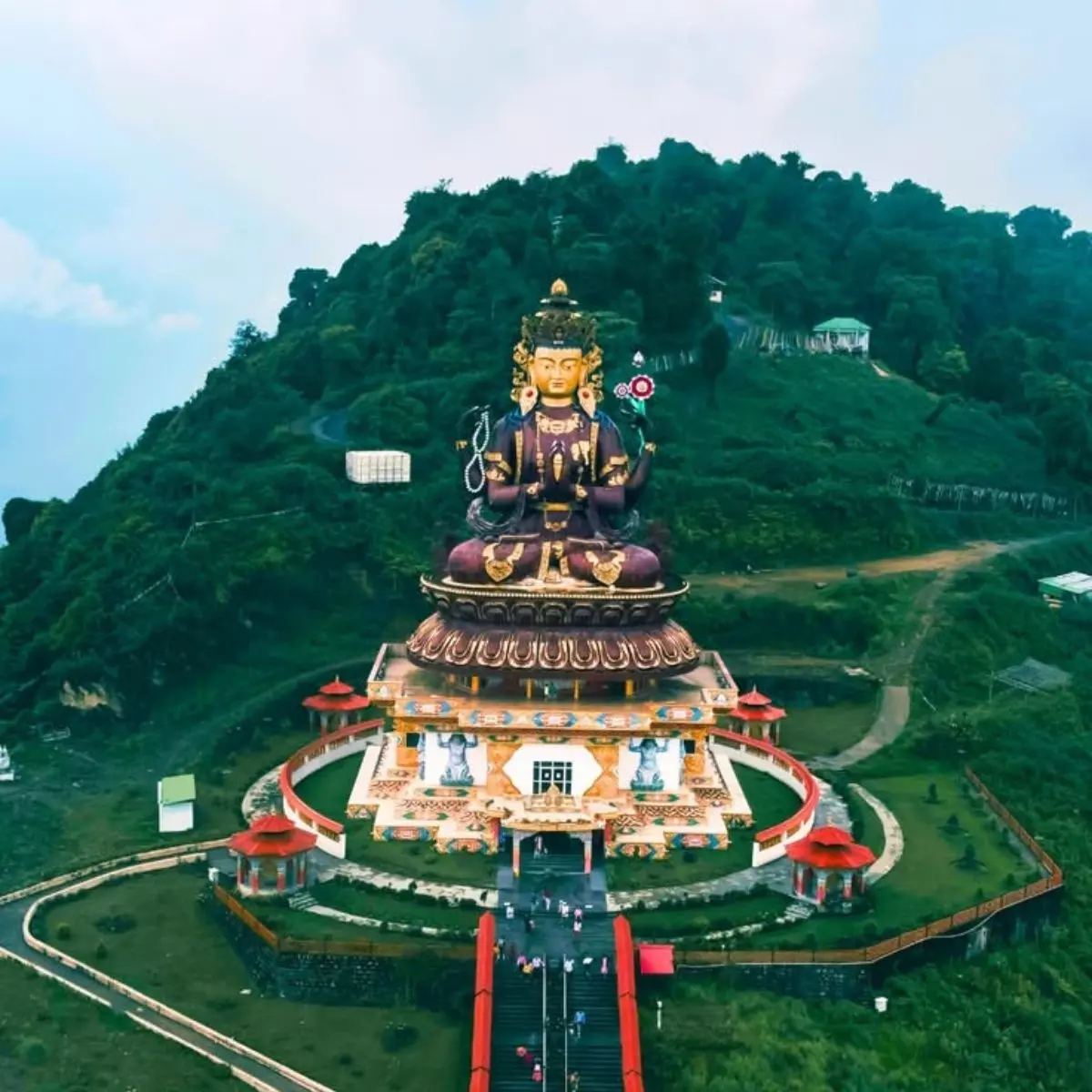
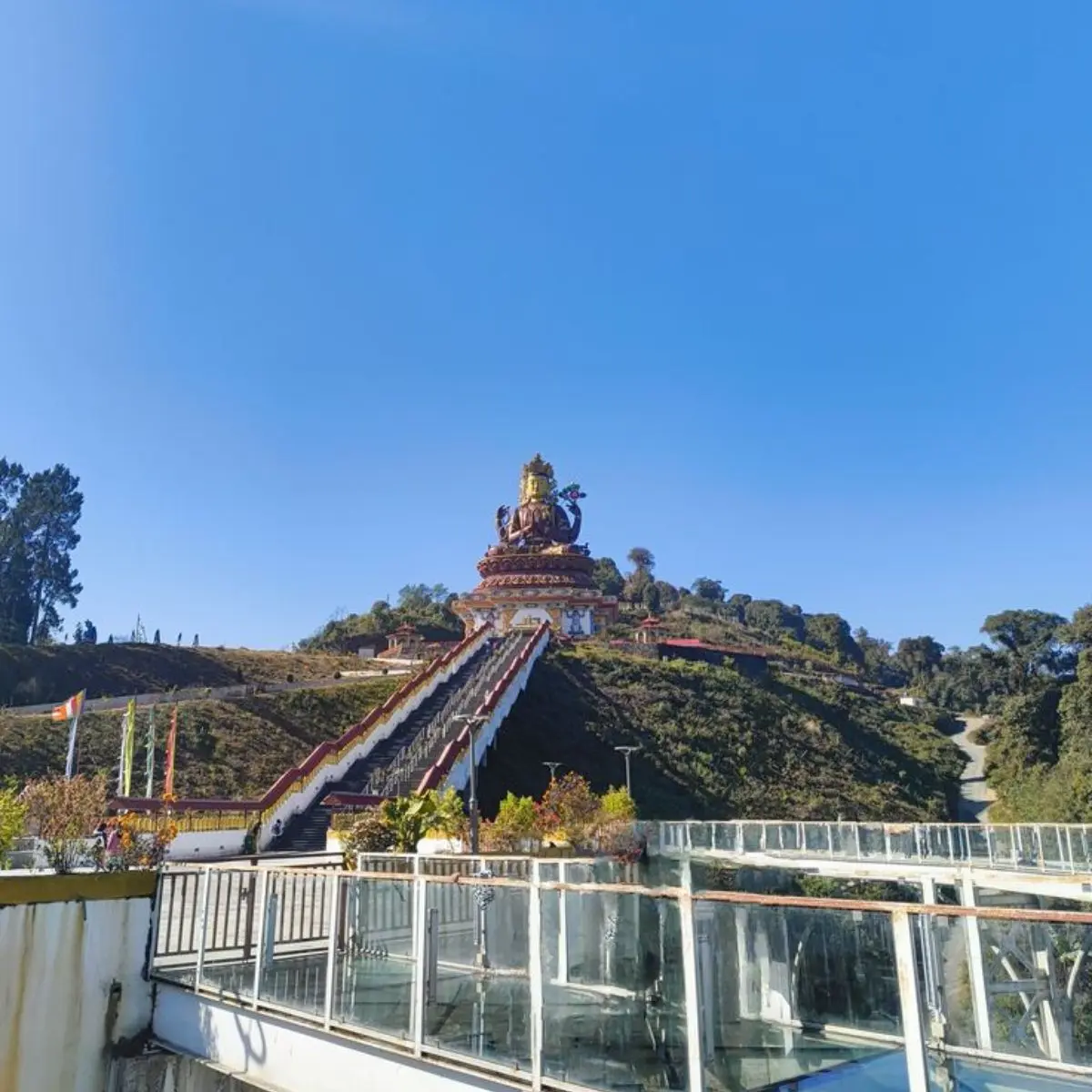
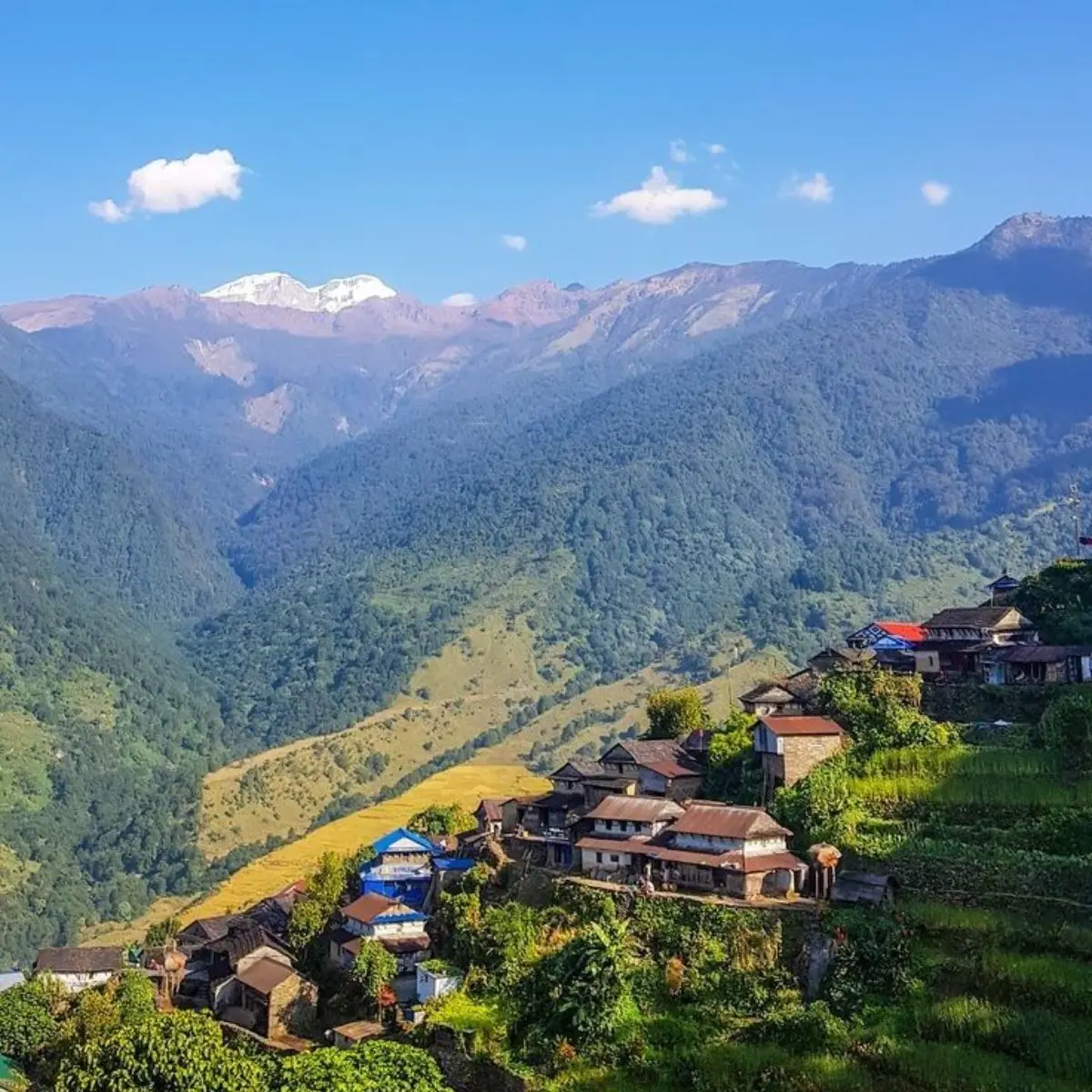
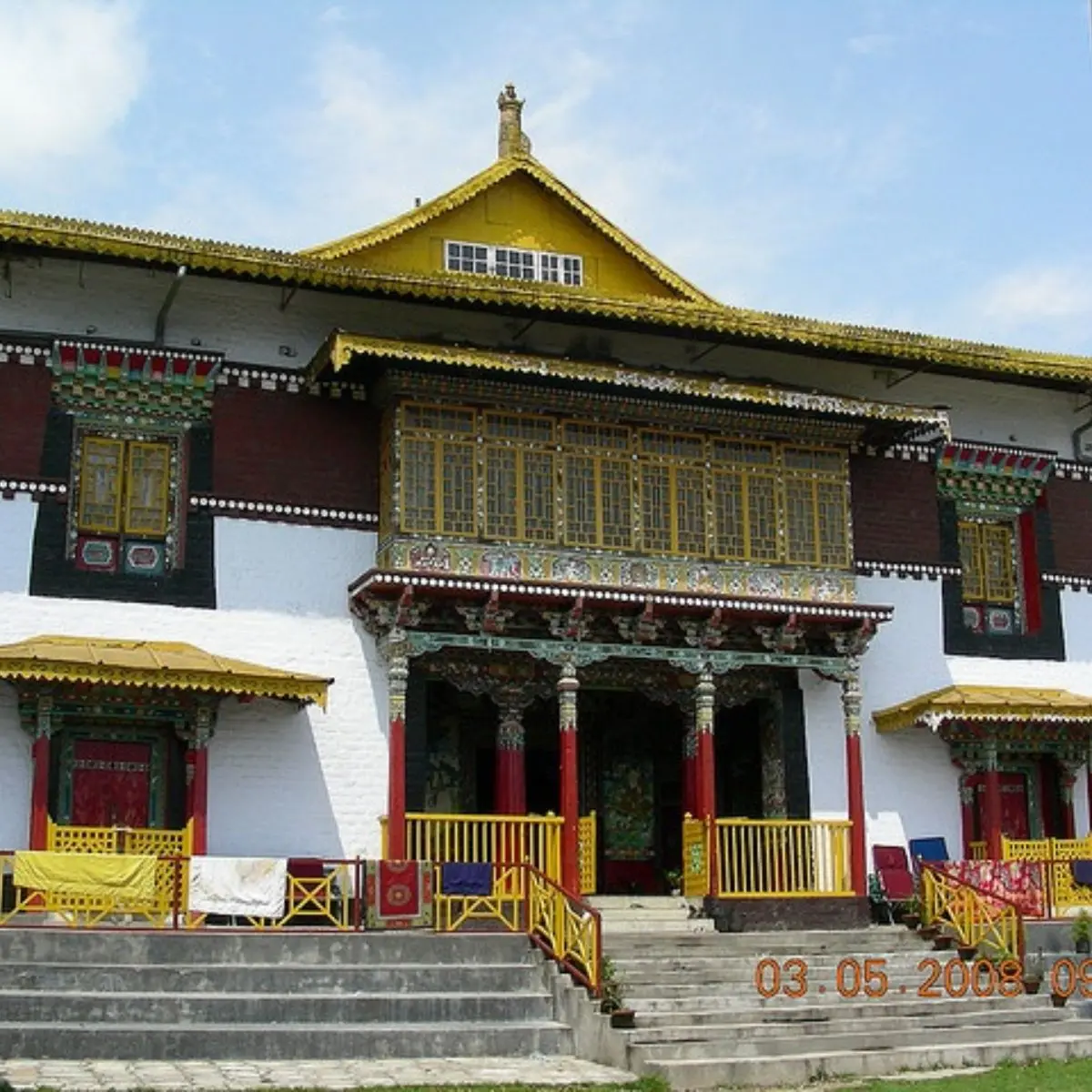
Tucked safely within the mighty Eastern Himalayas, Sikkim stands out as a geographical wonder filled with steep mountain drops, icy glaciers, lush green forests, and an incredibly rich cultural history[cite: 5]. Shari...

North East India 12 places to explore
Discover the places

The destination

About Sikkim

A considered guide to the landscapes, culture, and places that make Sikkim worth discovering.

Tucked safely within the mighty Eastern Himalayas, Sikkim stands out as a geographical wonder filled with steep mountain drops, icy glaciers, lush green forests, and an incredibly rich cultural history[cite: 5]. Sharing borders with Nepal, Bhutan, and Tibet, this independent-feeling state serves as a key Himalayan crossing while fiercely protecting its unique environment and social traditions, shaped carefully by the native Lepcha, Bhutia, and Nepali communities[cite: 5].

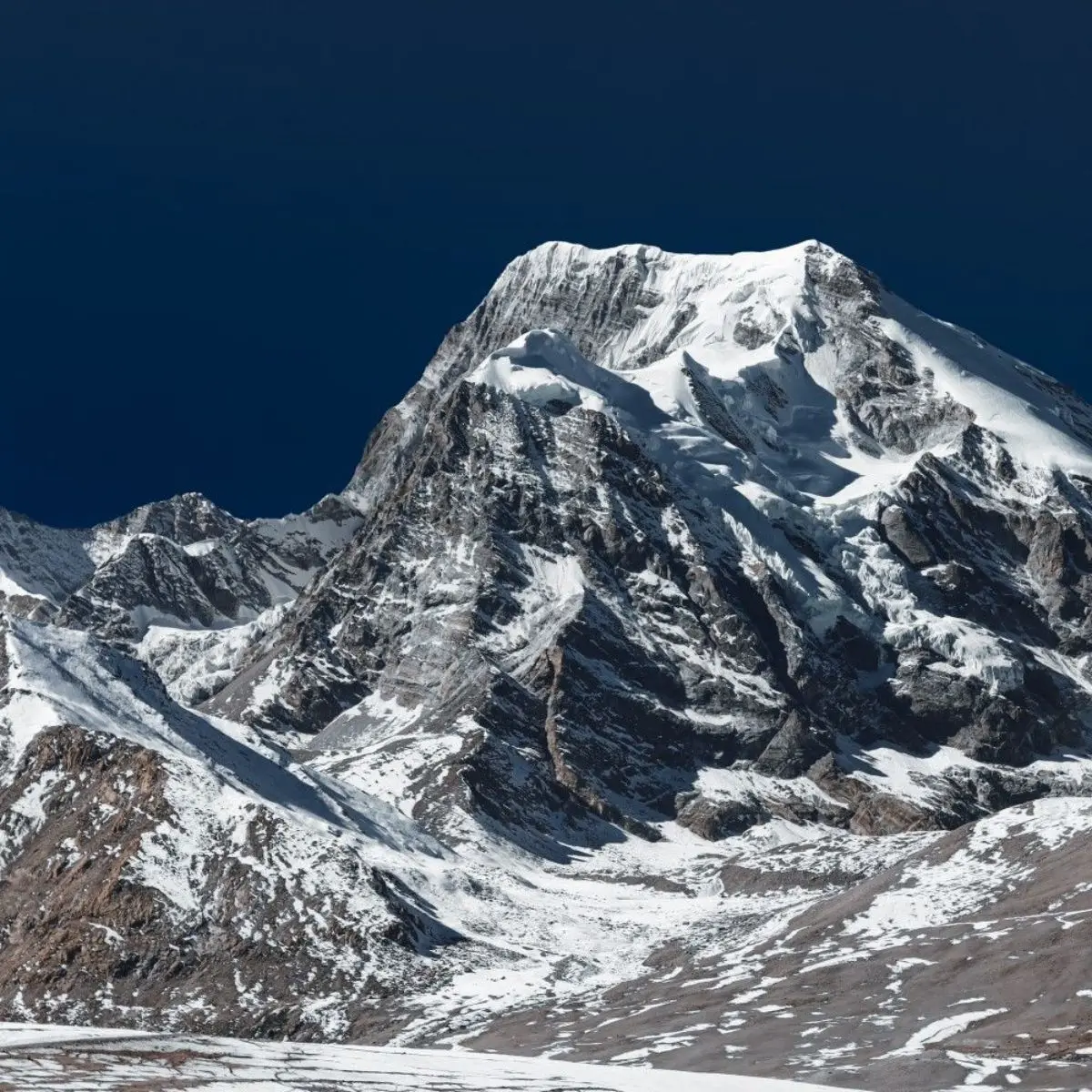
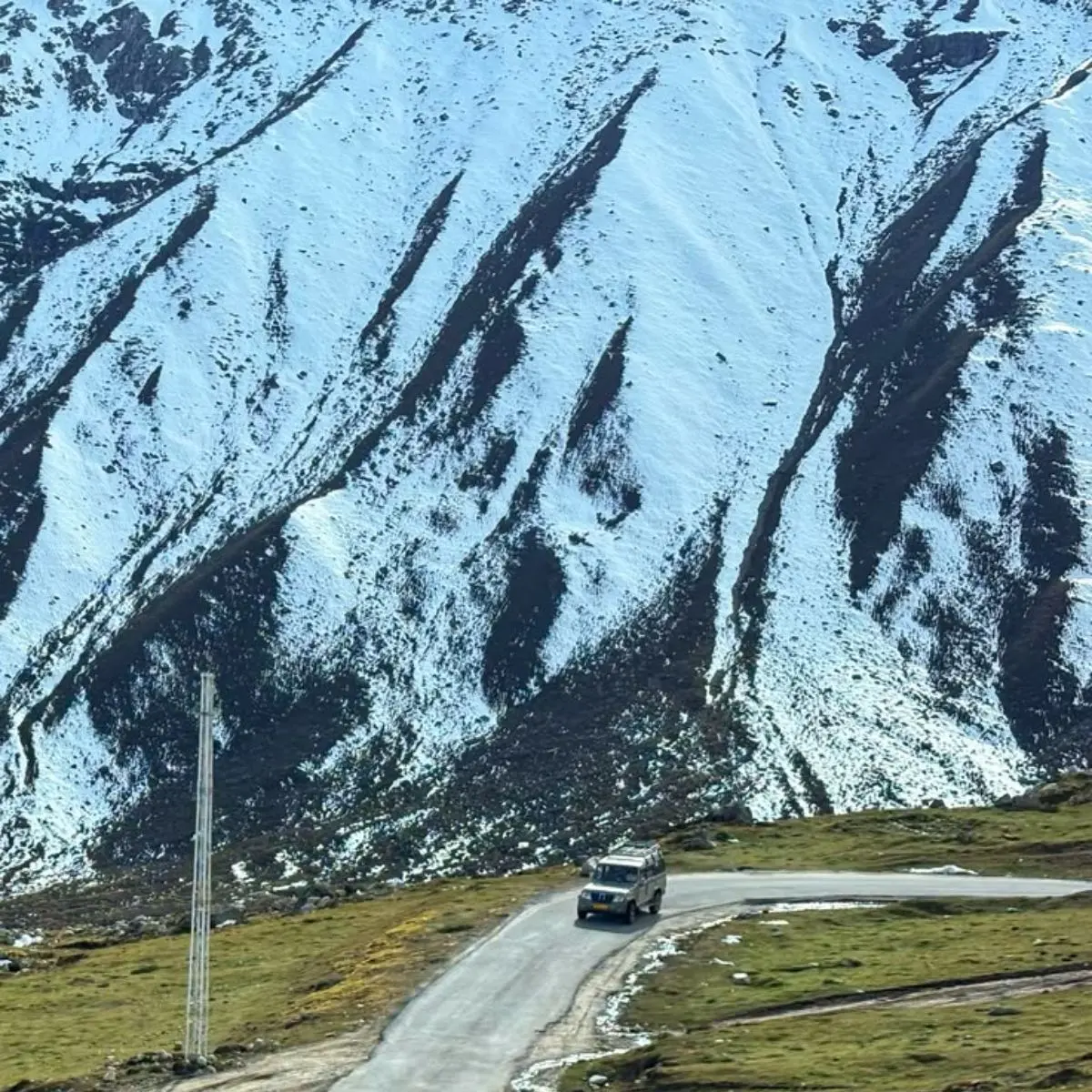
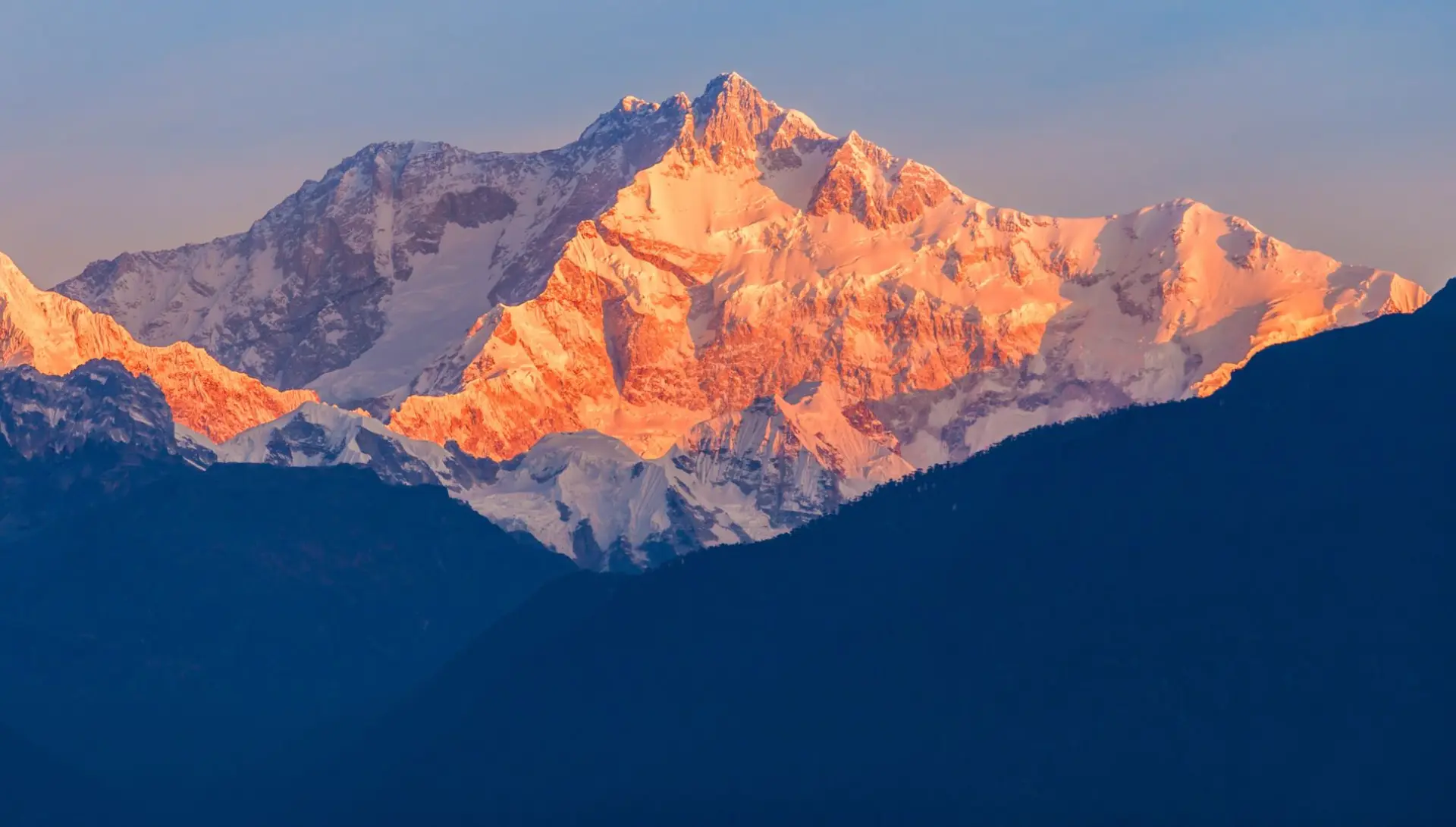
The landscape here changes dramatically over very short distances, shifting from warm, tree-filled valleys to freezing high-altitude wildernesses covered in permanent snow, massive glaciers, and steep mountain passes[cite: 5]. Mount Kanchenjunga, deeply worshipped as a protective god by the local people, remains the absolute physical and spiritual heart of this mountainous region[cite: 5].

Sikkim is the perfect destination for passionate travelers and adventure seekers who love breathtaking Himalayan views, peaceful Buddhist monasteries, extreme mountain photography, challenging treks, rare wildlife, and deeply traditional villages[cite: 5]. Its perfect balance of wild, untouched nature and carefully managed town growth gives this state a magical appeal that is hard to find anywhere else in the Himalayas[cite: 5].

East Himalayan RegionMountainous SceneryMount KanchenjungaBuddhist TraditionsHistoric MonasteriesMountain TrekkingThrill SeekingLocal WildlifePristine NatureCultural JourneysHigh-Elevation Trips
Best timeFrom March to May
ElevationRanging from about 280 meters to over 8,500 meters
Typical climateUsually between -5°C and 24°C

Build your itinerary

Places to explore

Start with the experiences that best fit the way you want to travel.

Place 01

Gangtok

ActivitiesTouring the cityExploring monasteriesViewing the peaksTasting local dishesBuying souvenirsTaking photos

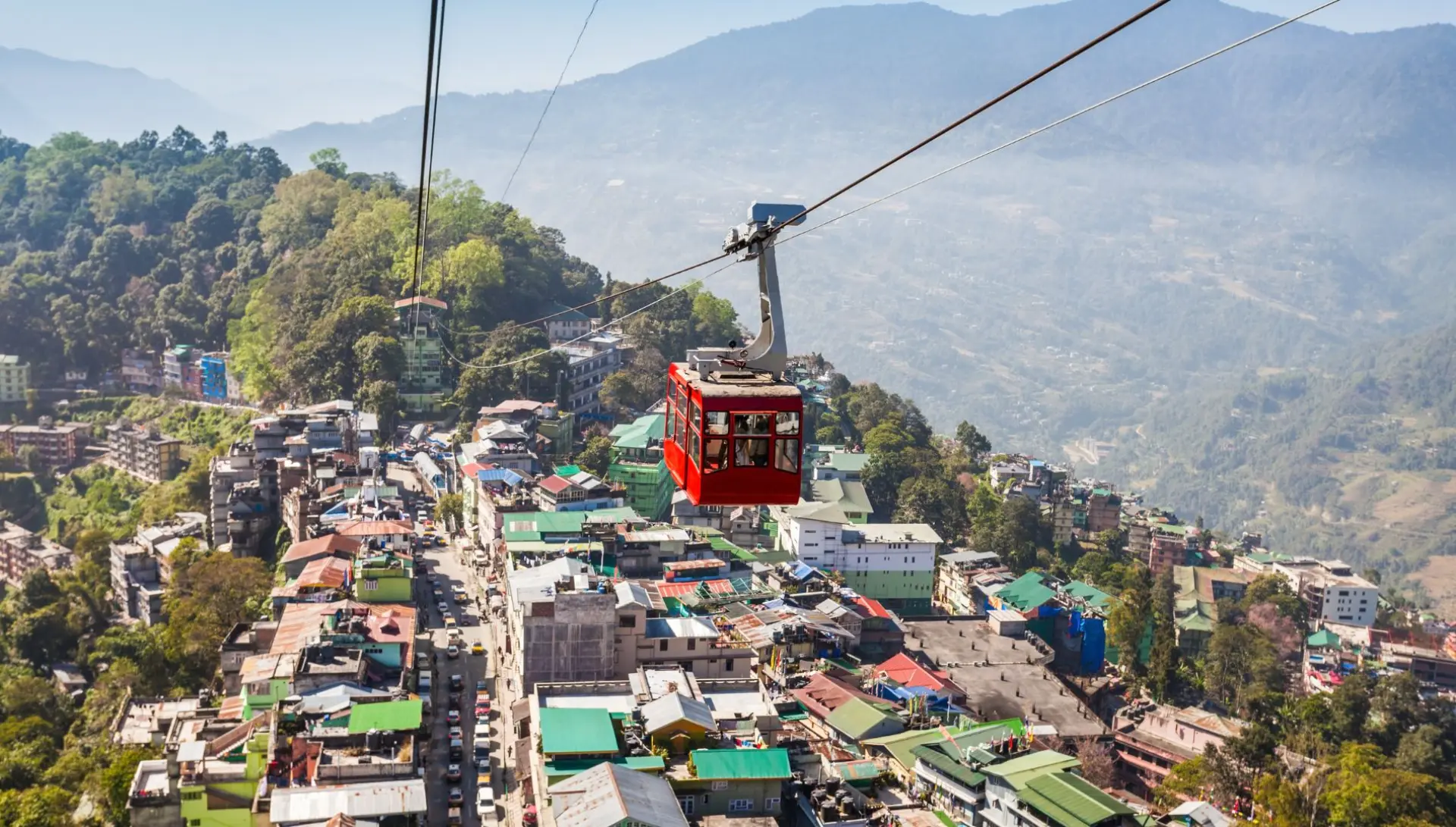
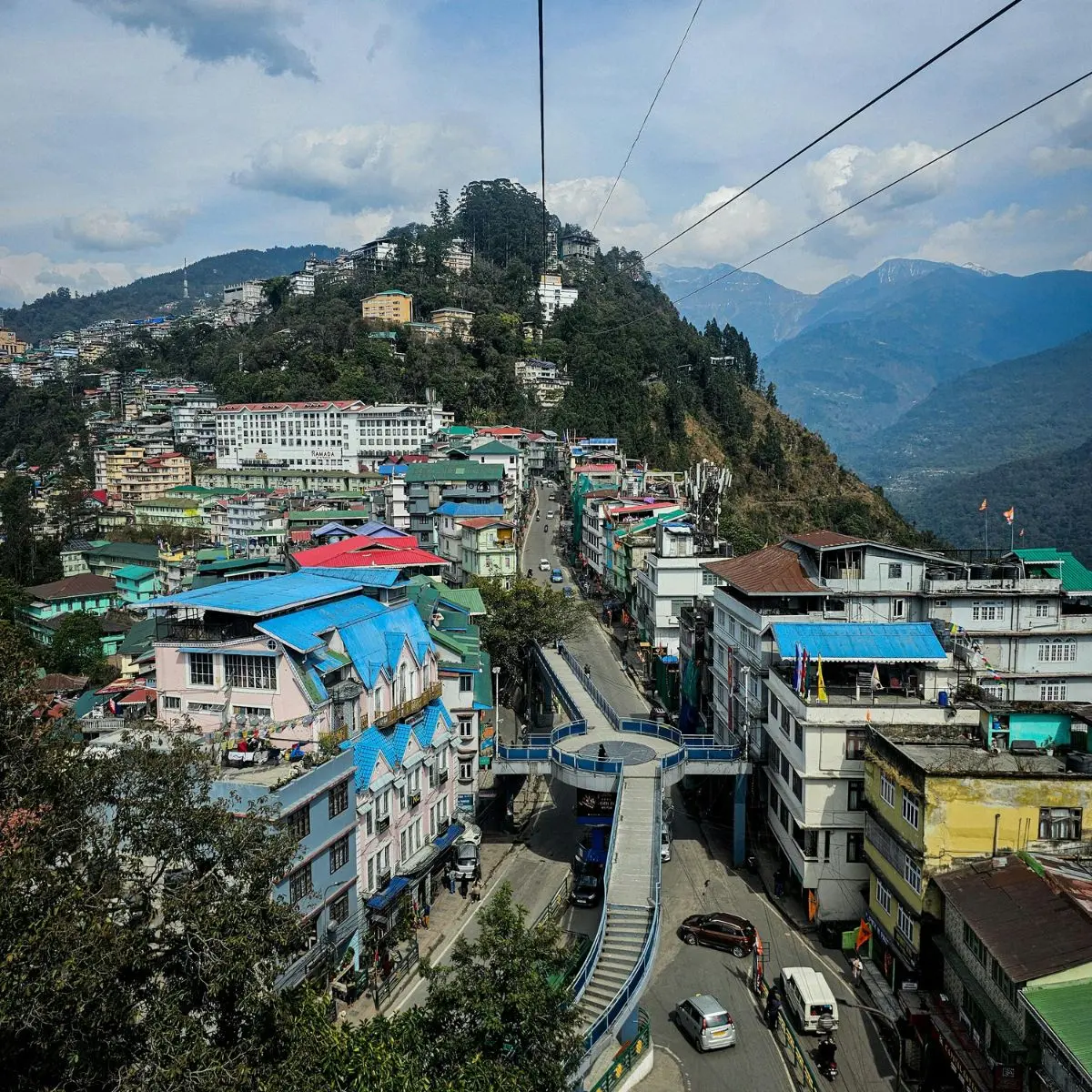
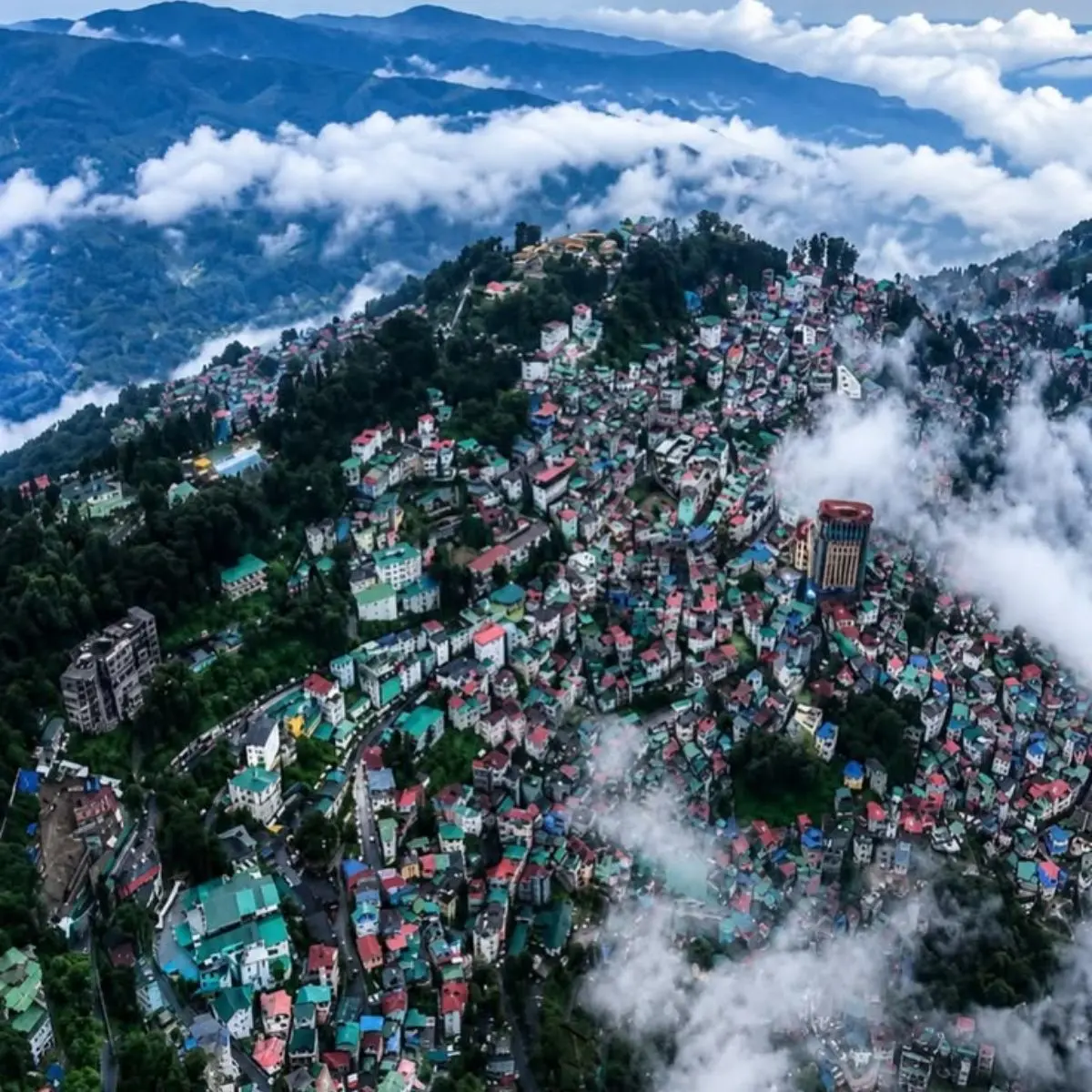
Gangtok, the vibrant administrative and cultural heart of Sikkim, sits high on a steep Himalayan ridge, offering massive, clear views of the deep valleys and distant mountain peaks below[cite: 5]. This busy town perfectly blends growing modern facilities with highly respected Buddhist temples, old traditional neighborhoods, and a lively, cosmopolitan mountain vibe[cite: 5].

Acting as the main travel hub and the primary doorway to the rest of Sikkim, Gangtok is both a stunning destination on its own and a necessary starting point for tough trips up to Tsomgo Lake, Nathu La, and the magical areas of North Sikkim[cite: 5]. Because it sits so high up, it offers incredible chances to see the massive Himalayan mountain range whenever the weather is clear[cite: 5].
Capital CityHimalayan MetropolisBuddhist CustomsScenic Mountain ViewsRetail TherapyCultural Exploration
Gangtok image 1 Gangtok image 2
Place 02

Tsomgo Lake

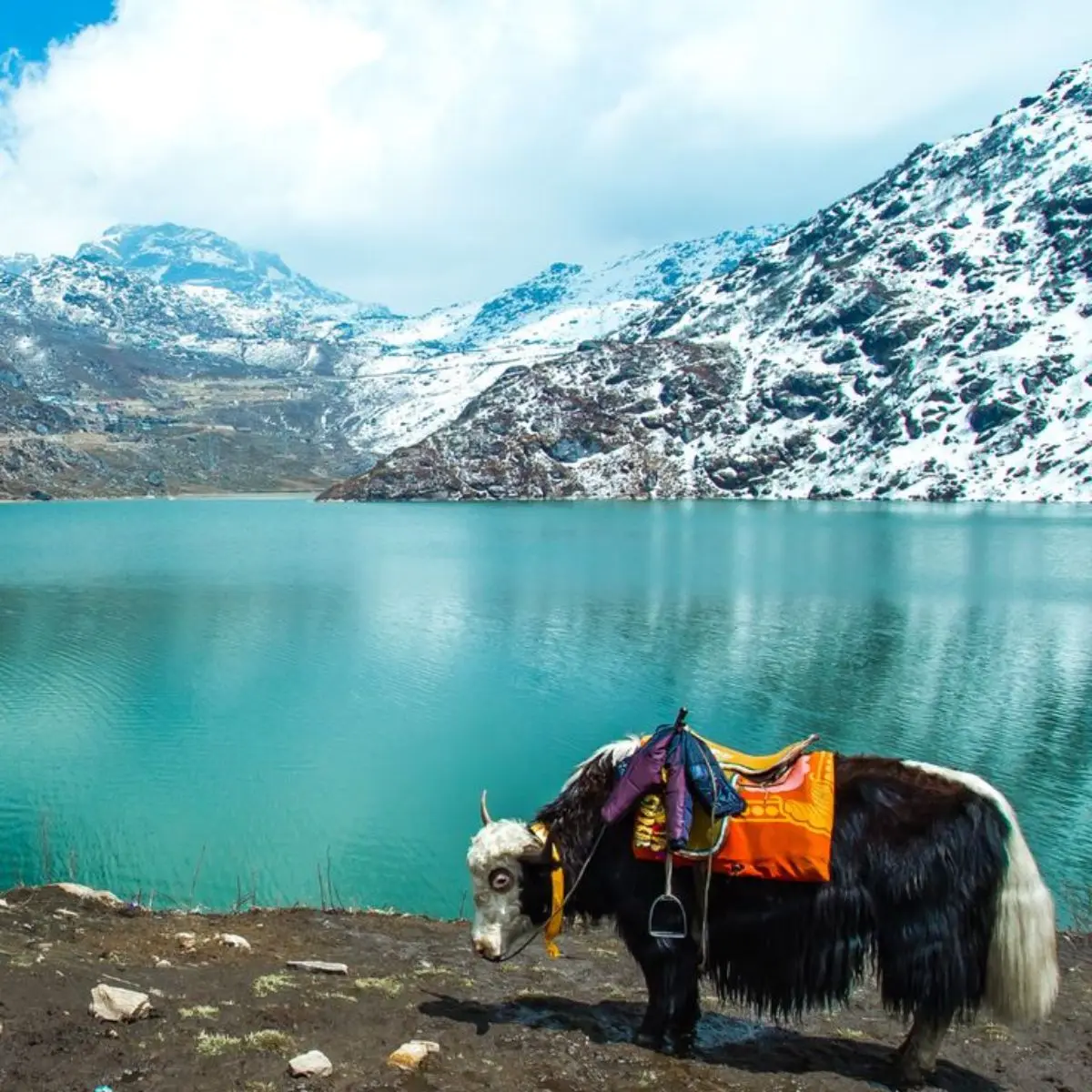
ActivitiesEnjoying the sceneryCapturing photosViewing the mountainsLearning local cultureRiding a yak

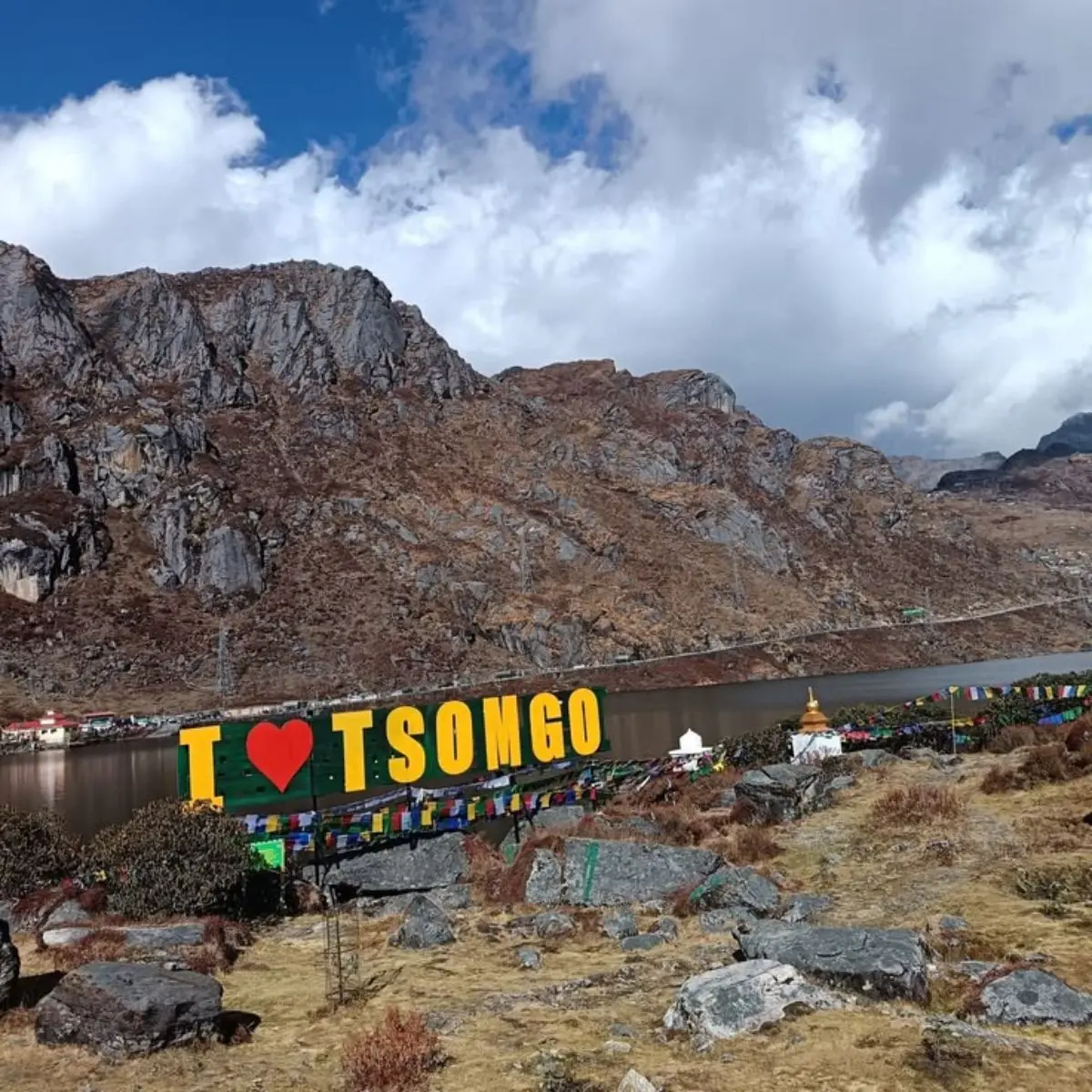
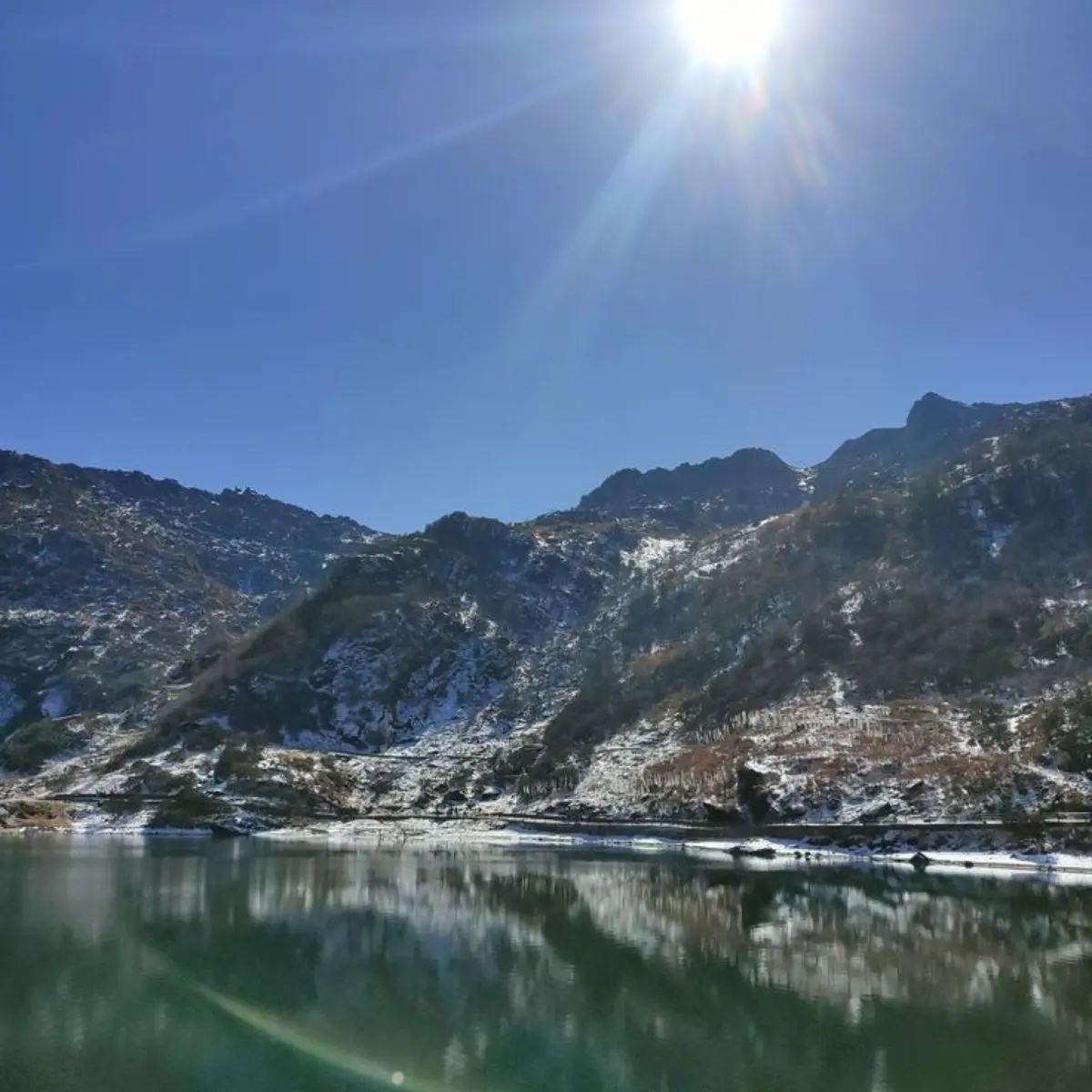
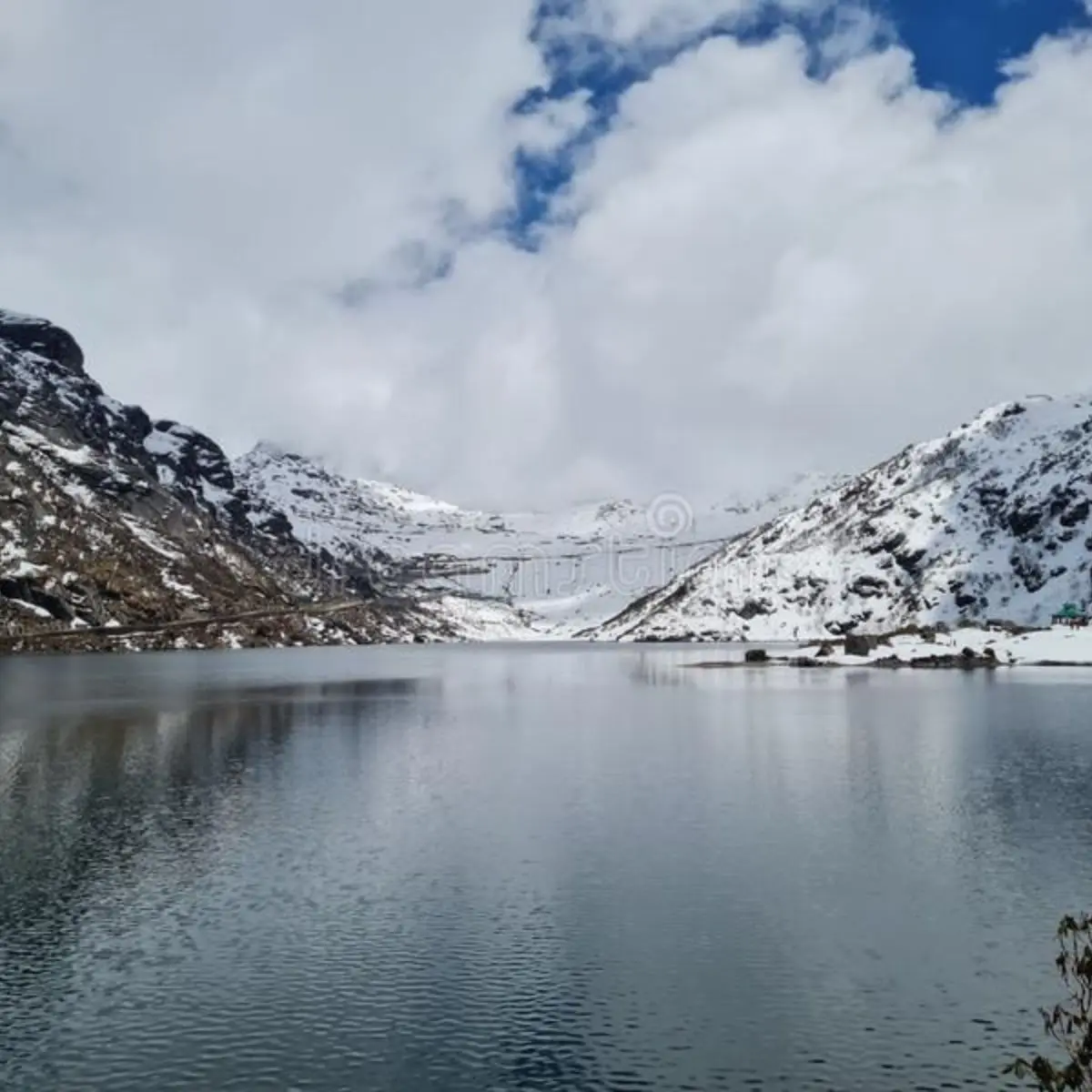
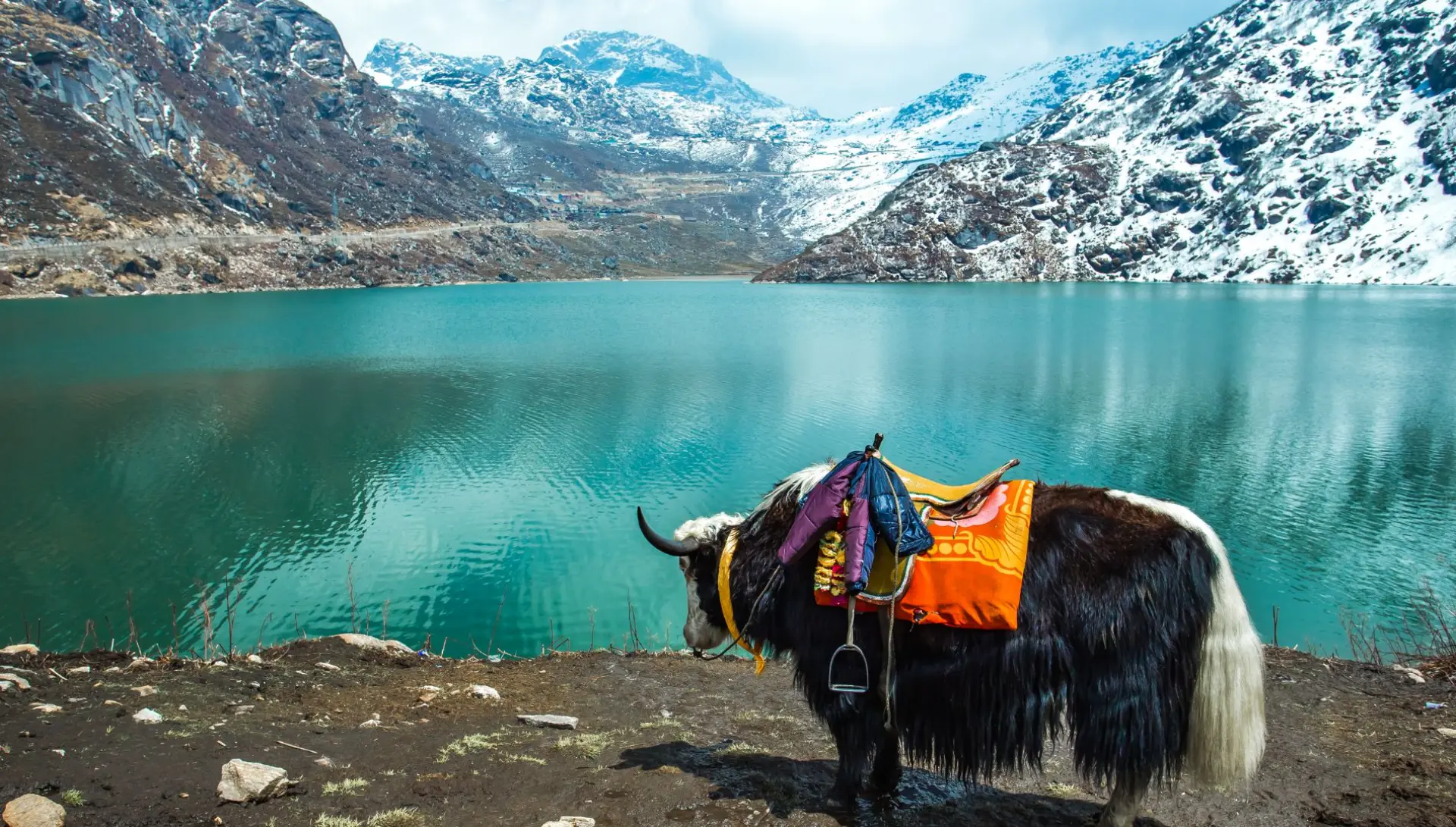
Widely known as Changu Lake, Tsomgo Lake is a stunning glacial body of water located at a massive height of about 3,753 meters in the rocky eastern part of Sikkim[cite: 5]. Surrounded by steep, rough mountain edges, the lake creates a beautifully harsh scene that changes its look completely depending on the season and the weather[cite: 5].

This lake holds a very deep cultural and spiritual meaning for the local people, who treat it as a holy and sacred body of water[cite: 5]. Throughout the long, freezing winter, the entire lake freezes over completely, while the arrival of spring brings a colorful explosion of alpine flowers and bright, clear waters back to the area[cite: 5].

High-Elevation LakeGlacier Fed LakeHoly WatersMountainous TerrainNature PhotographyWilderness
Tsomgo Lake image 1 Tsomgo Lake image 2 Tsomgo Lake image 3 Tsomgo Lake image 4
Place 03

Nathula Pass

ActivitiesViewing the peaksTaking photographsDiscovering historyHigh-elevation trip

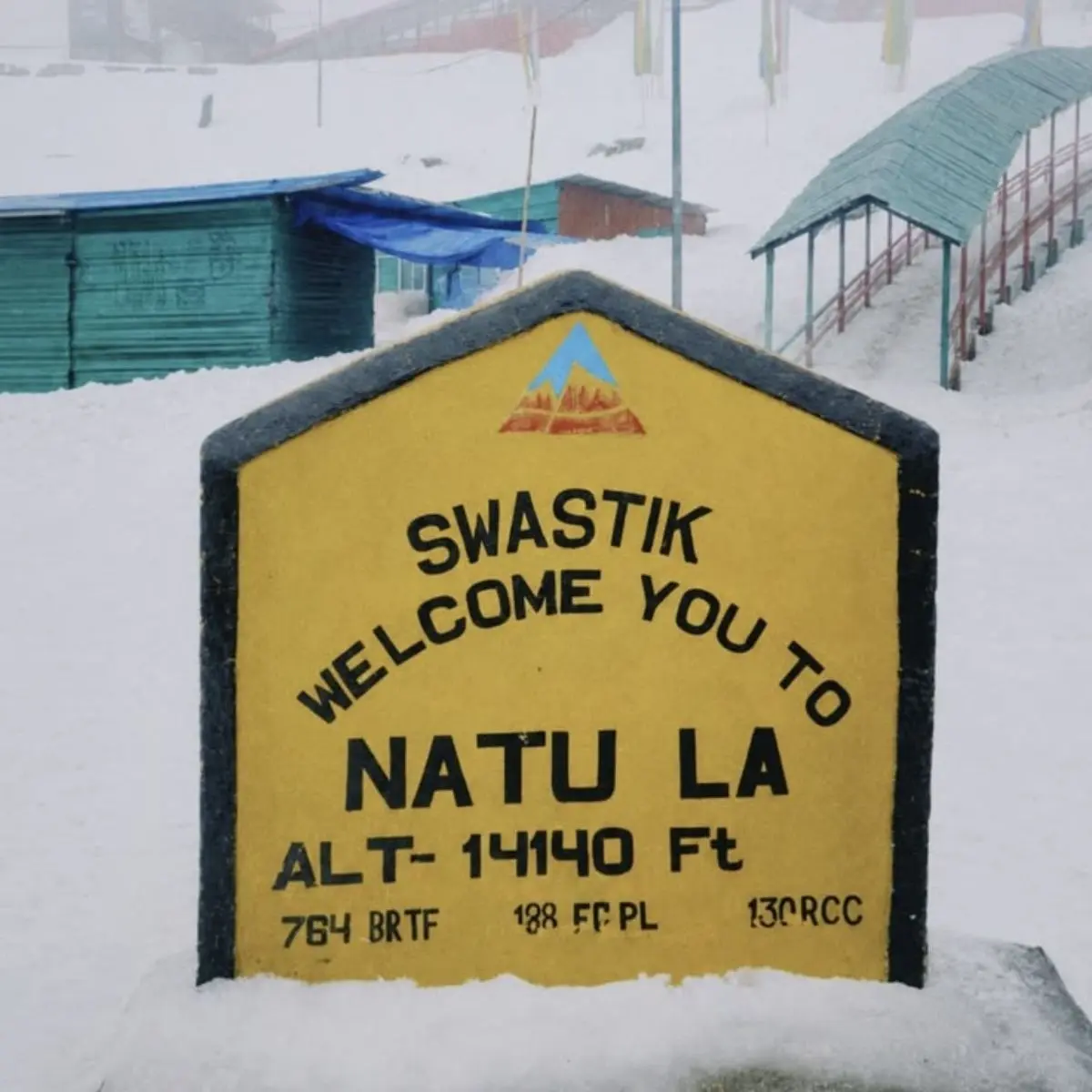
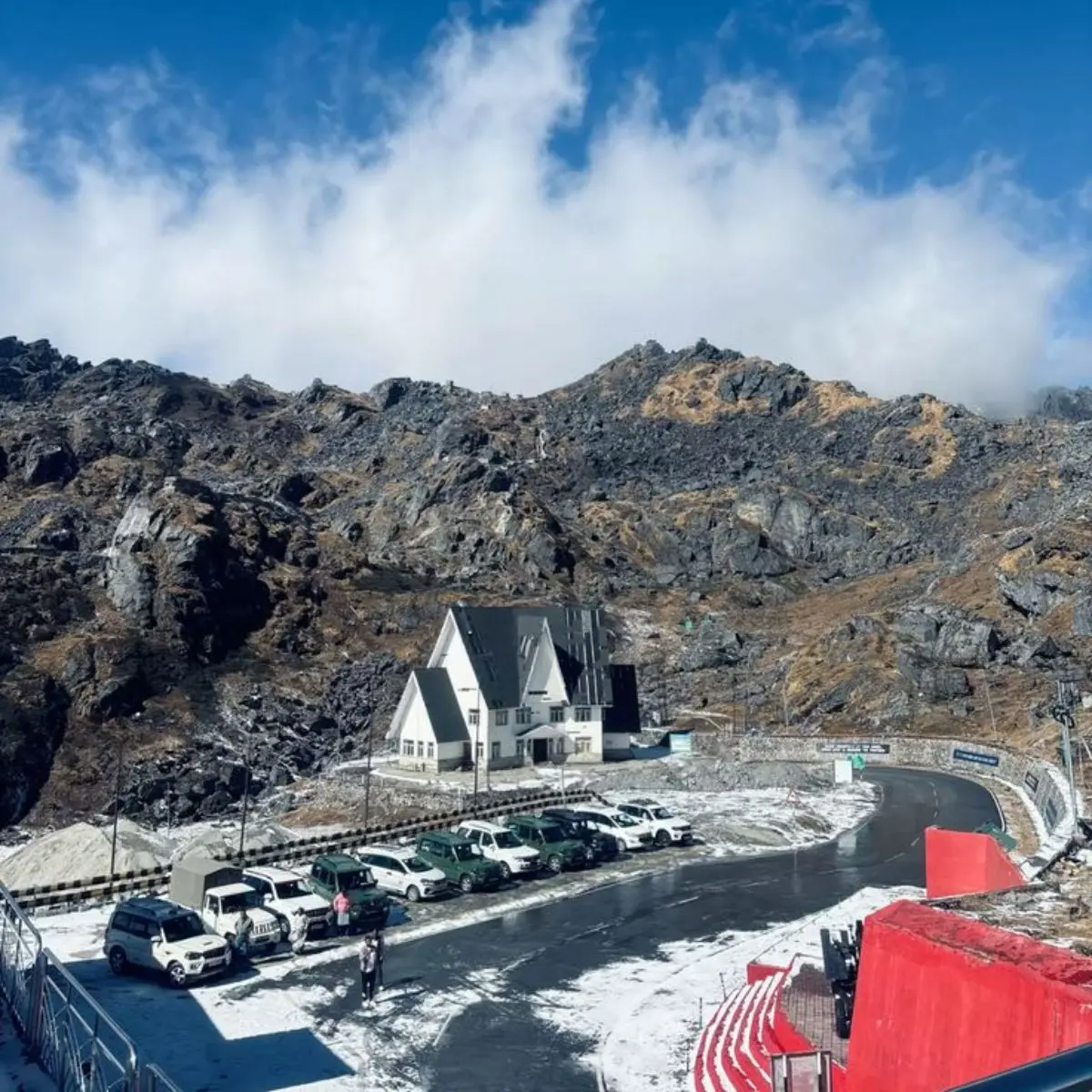
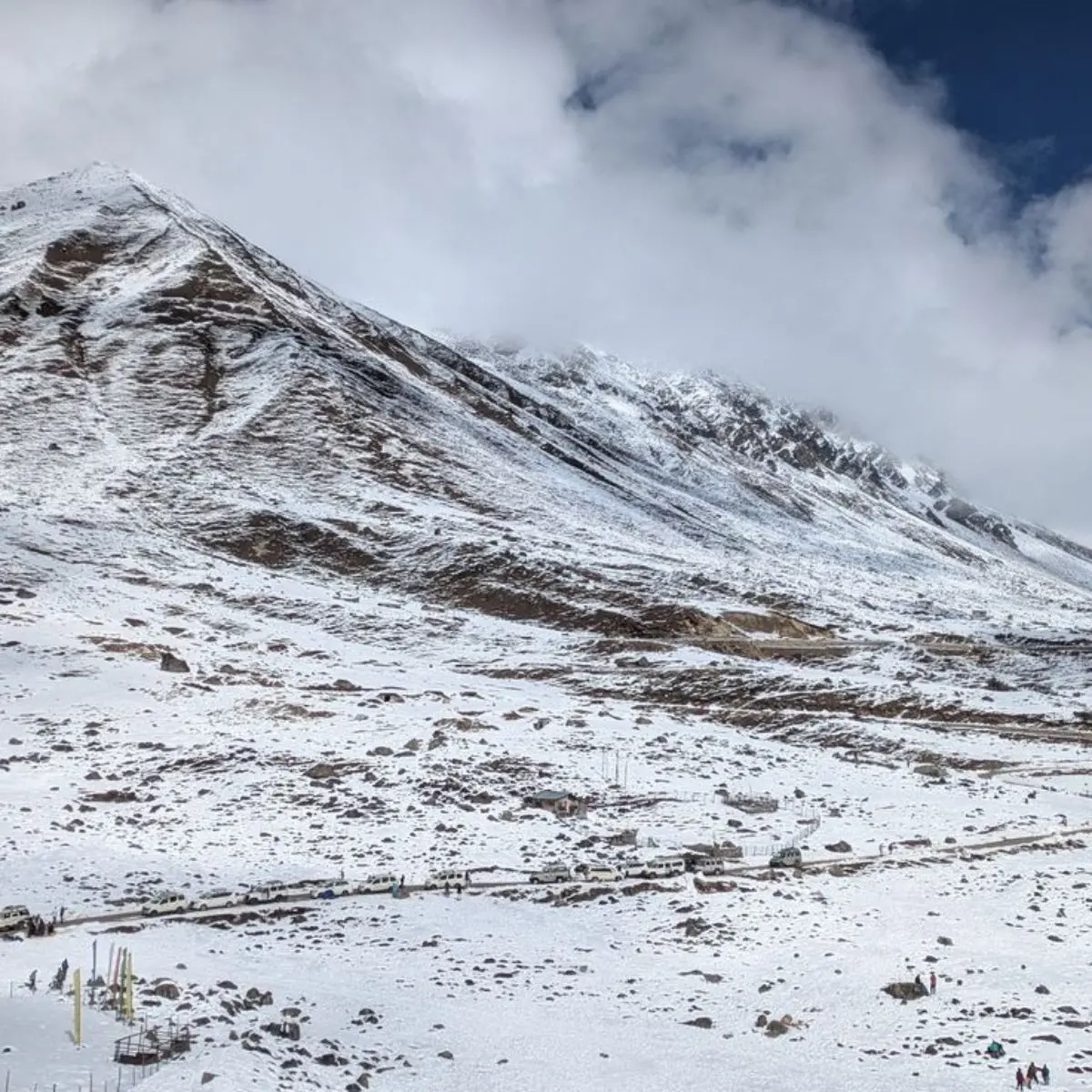
Climbing to an incredible height of 4,310 meters, the Nathu La Pass is a famous and historic mountain route along the old Silk Road, acting as a crucial connection between Sikkim and the massive Tibetan Plateau[cite: 5]. This important border location offers both massive natural beauty and a very deep, rich political history[cite: 5].

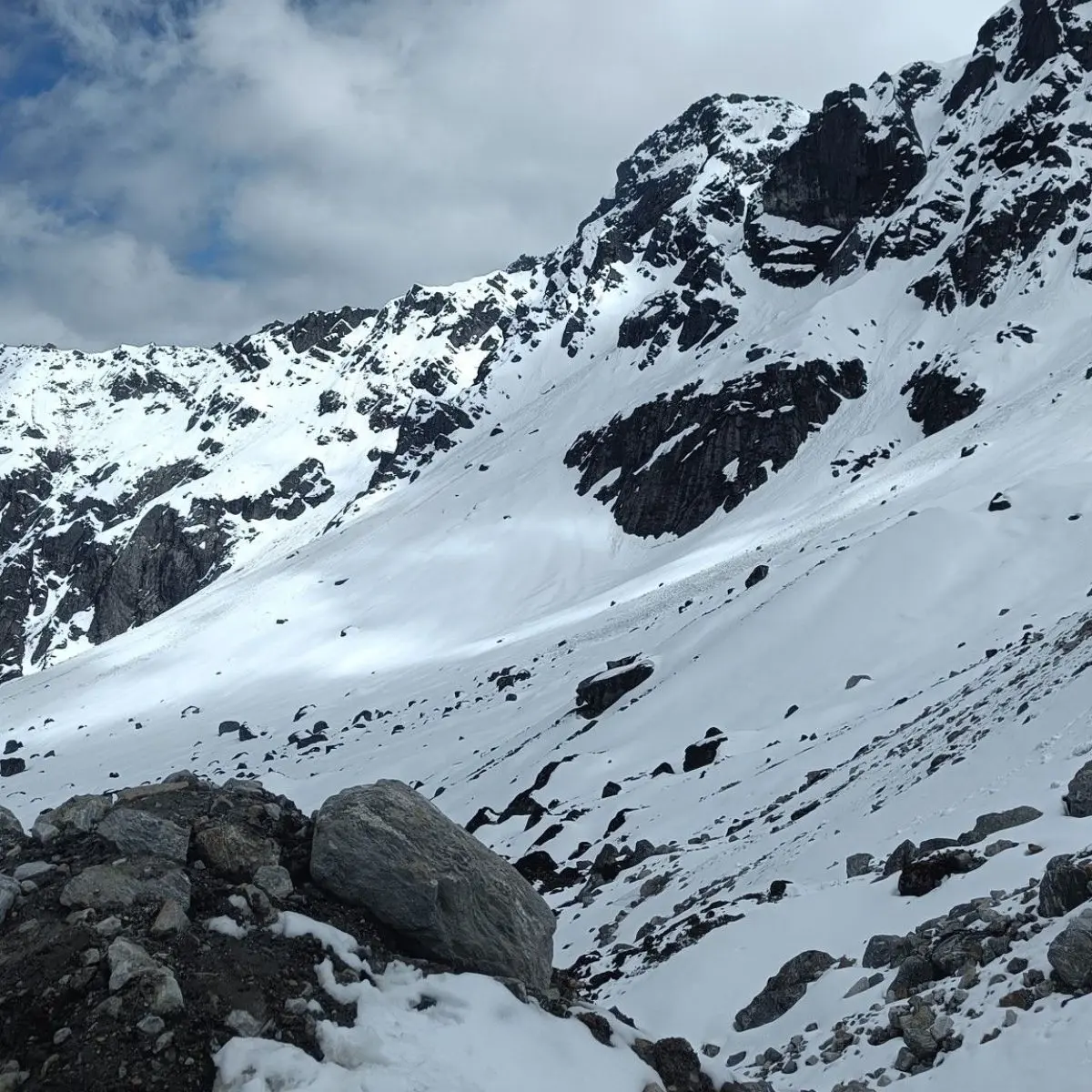
The landscape here is covered with tough, low-growing mountain plants, steep rocky drops, and weather that can change violently in a matter of minutes[cite: 5]. Beyond its stunning mountain views, Nathu La is packed with trading history, standing as a quiet reminder of hundreds of years of cross-border business and cultural sharing[cite: 5].

High Mountain PassExtreme ElevationAncient Silk RoadHimalayan BorderAdventure TravelDramatic Scenery
Nathula Pass image 1 Nathula Pass image 2 Nathula Pass image 3 Nathula Pass image 4
Place 04

Yumthang Valley

ActivitiesWalking through naturePhotographing landscapesViewing mountain flowersEnjoying the viewsExploring the valley

Tucked far away in the distant corners of North Sikkim, the Yumthang Valley is a beautiful alpine paradise famous for its wide rolling meadows, winding clear glacier streams, and a massive ring of snow-covered mountain peaks[cite: 5]. Sitting at a height of 3,500 meters, this valley is best known for the incredible, colorful spring blooming of native rhododendrons and many other Himalayan flowers[cite: 5].

When the warmer months arrive, the valley turns into an explosion of color as a thick blanket of mountain plants covers the surrounding slopes[cite: 5]. The amazing contrast between these wide, peaceful green fields and the harsh, icy mountain peaks in the distance makes Yumthang one of the most stunning and photogenic places in the northern Himalayas[cite: 5].

Alpine MeadowsRhododendron BloomsHigh-Elevation ValleyMountain SceneryNatural BeautyNature Photography
Yumthang Valley image 1 Yumthang Valley image 2 Yumthang Valley image 3 Yumthang Valley image 4
Place 05

Zero Point

ActivitiesPlaying in the snowTaking scenic picturesViewing the peaksHigh-altitude adventure

Officially known as Yumesamdong, but mostly called Zero Point by brave travelers, this spot marks the absolute end of the road for regular tourists in North Sikkim[cite: 5]. This harsh, high-altitude wilderness features tough, rocky ground, massive snowy slopes, and a complete lack of trees, perfectly showing off the extreme alpine environment[cite: 5].

This distant border area experiences wild and extreme weather, meaning that getting there depends entirely on unpredictable snow levels and strict military rules[cite: 5]. Its empty, breathtaking loneliness provides a massive contrast to the thick, green forests and farmed hillsides found lower down the mountains[cite: 5].

Extreme AltitudeSnowy TerrainAlpine EnvironmentAdventure SeekerLandscape PhotographyEnd of the Road
Zero Point image 1 Zero Point image 2 Zero Point image 3 Zero Point image 4
Place 06

Pelling

ActivitiesLooking at the mountainsTouring monasteriesShooting photosWalking outdoorsDiscovering local life

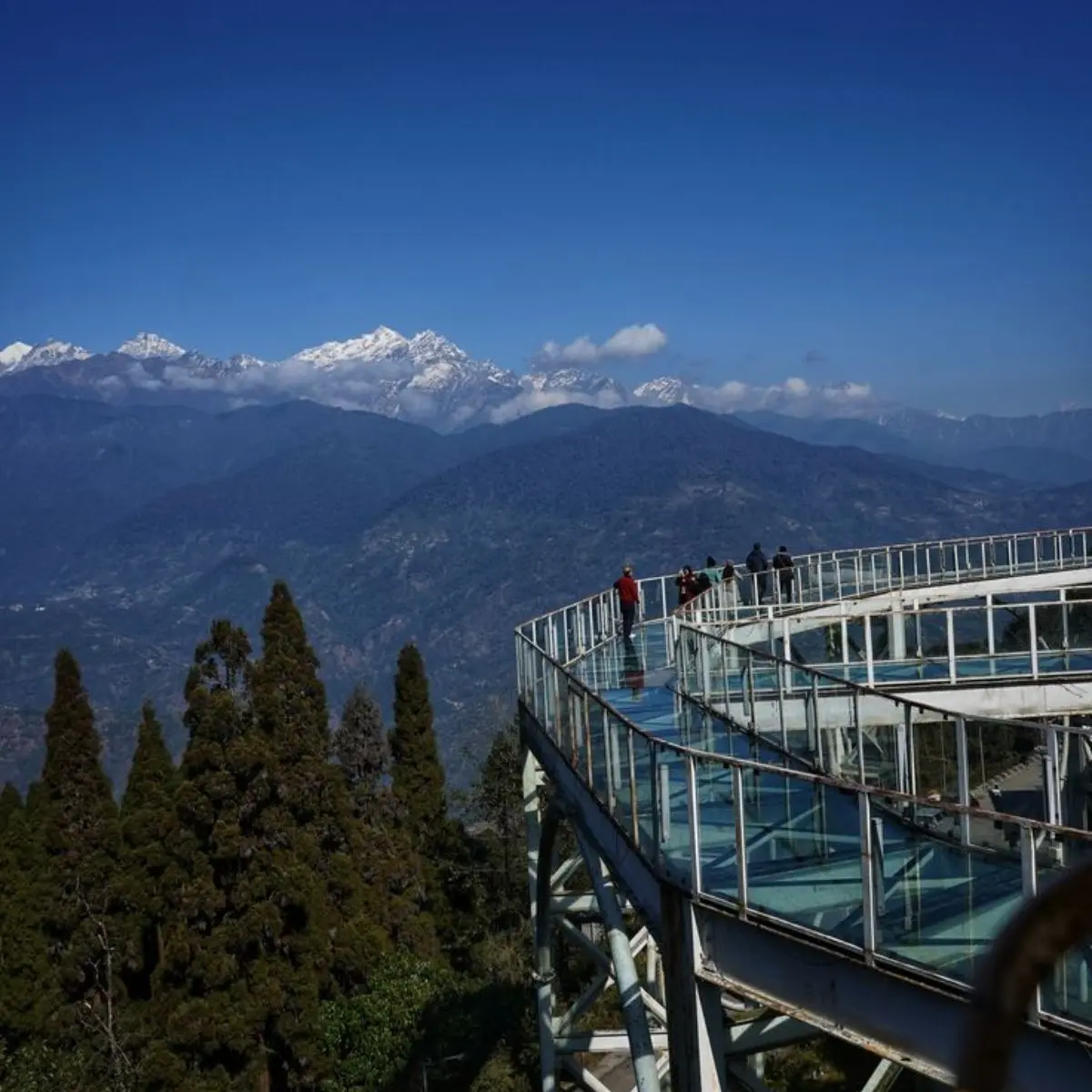
Pelling is a quiet, peaceful mountain town in the western part of Sikkim, famous everywhere for its massive, uninterrupted views of the mighty Kanchenjunga mountain range and the surrounding Himalayas[cite: 5]. Sitting high up on thickly forested slopes, this town offers a calm and relaxing escape from the busy, crowded streets of Gangtok[cite: 5].

Pelling also acts as the perfect starting point for curious travelers who want to explore ancient Buddhist monasteries, historic ruins, beautiful waterfalls, and the untouched village life of western Sikkim[cite: 5]. Its perfect mix of deep cultural history and incredibly clear, beautiful mountain views makes it a must-visit for anyone wanting a slower, more authentic Himalayan trip[cite: 5].

Kanchenjunga SightsHill TownAncient MonasteriesNature RetreatTaking PicturesCultural Journeys
Pelling image 1 Pelling image 2 Pelling image 3 Pelling image 4
Place 07

Pemayangtse Monastery

ActivitiesTouring the monasteryLearning local cultureAdmiring the architectureTaking picturesExperiencing spirituality

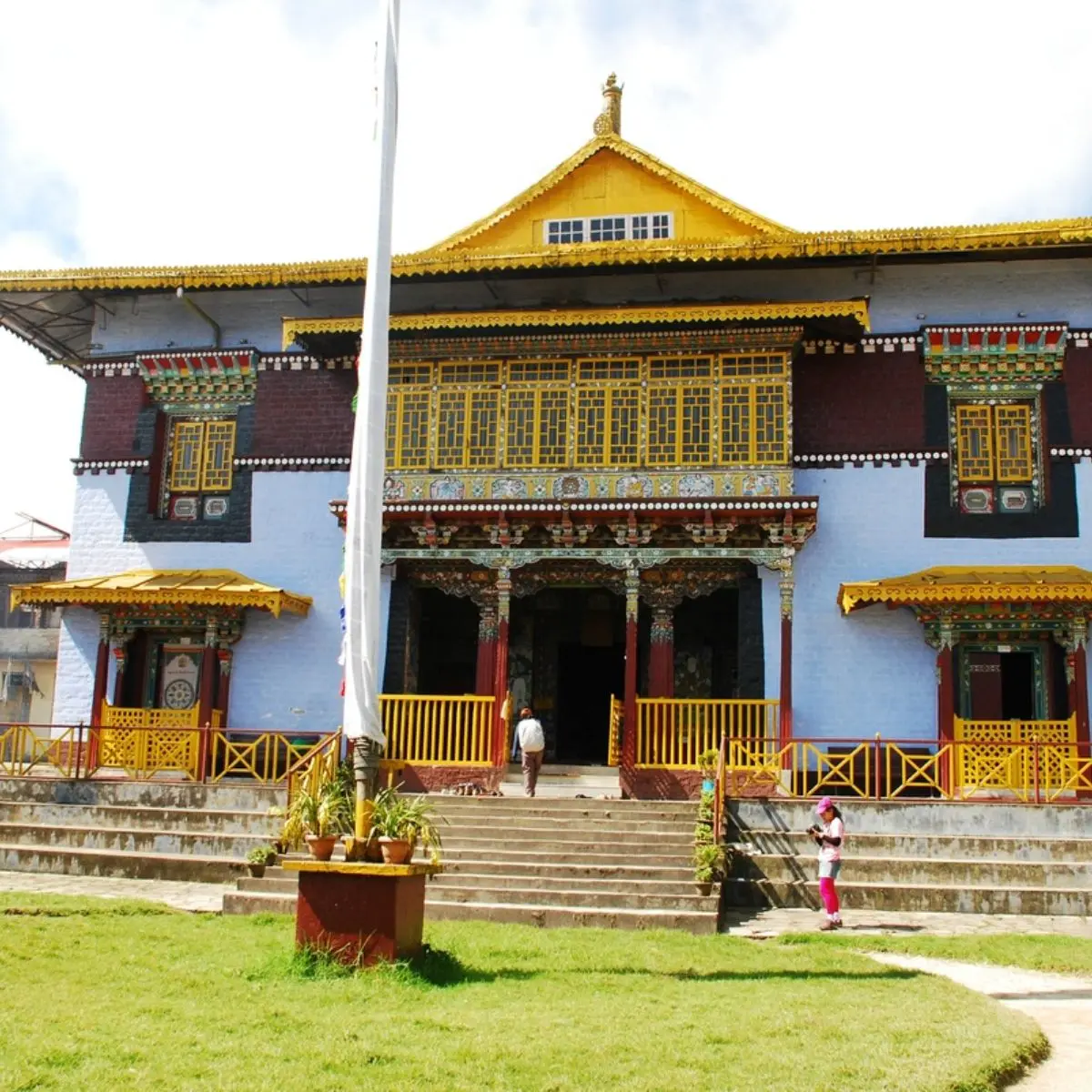
Pemayangtse Monastery is a masterpiece of design and spirituality, standing proudly as one of the oldest and most historically important Buddhist temples in all of Sikkim[cite: 5]. Located very close to Pelling, this highly respected building belongs to the secretive Nyingma group of Tibetan Buddhism and holds a deeply sacred place in the religious and royal history of the old Kingdom of Sikkim[cite: 5].

Surrounded by clean, cool Himalayan forests, the monastery is an essential place to visit if you want to truly understand Sikkim's deep Buddhist roots[cite: 5]. With its beautifully detailed architecture, stunning religious artwork, and an incredibly peaceful atmosphere, it is a must-see for anyone interested in Himalayan religion, art, and deep meditation[cite: 5].

Buddhist TempleNyingma SectHeritage SiteSpiritual JourneyHimalayan PastHistoric Architecture
Pemayangtse Monastery image 1 Pemayangtse Monastery image 2 Pemayangtse Monastery image 3
Place 08

Rumtek Monastery

ActivitiesVisiting the templeExploring traditionsTaking photosEnjoying the designWatching spiritual rituals

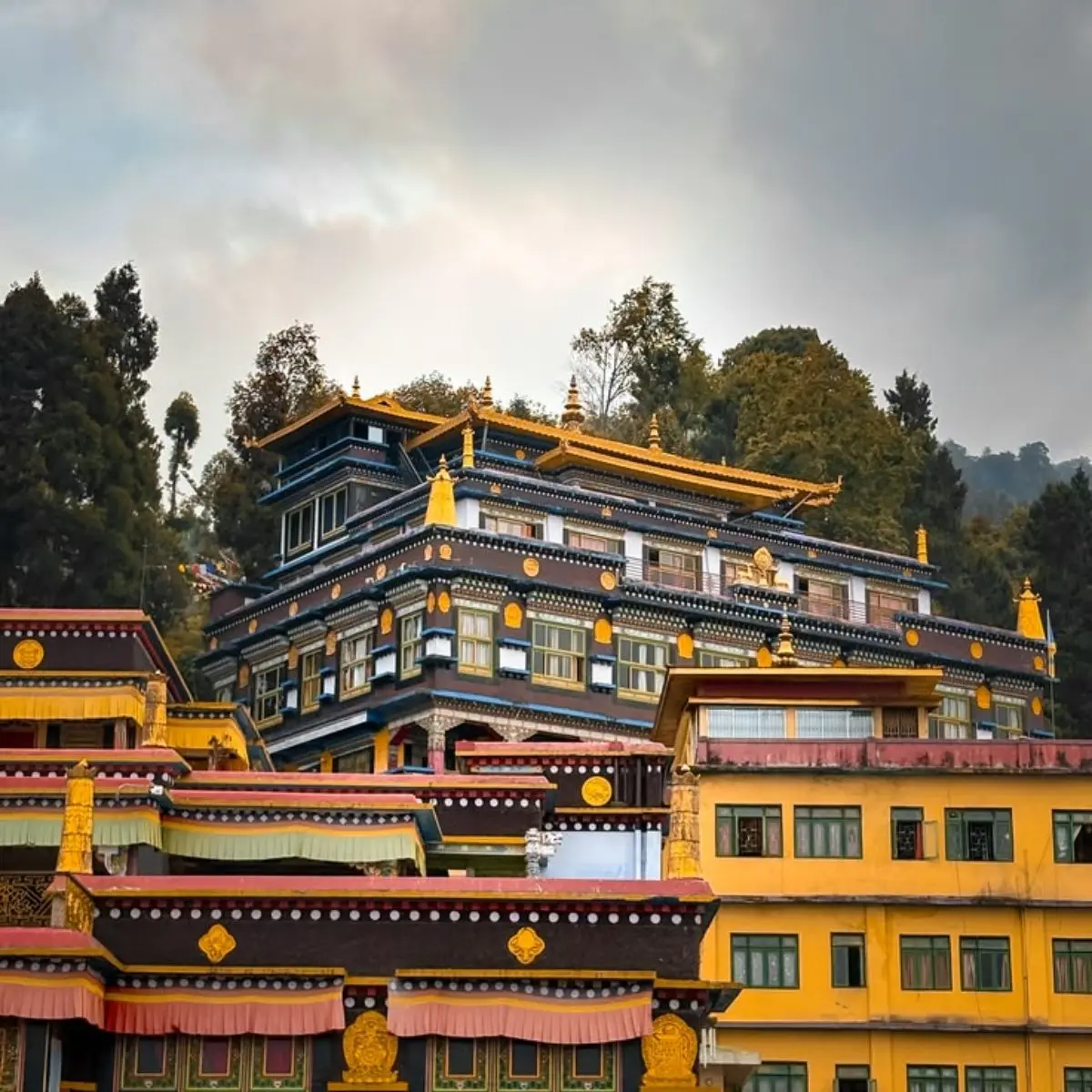
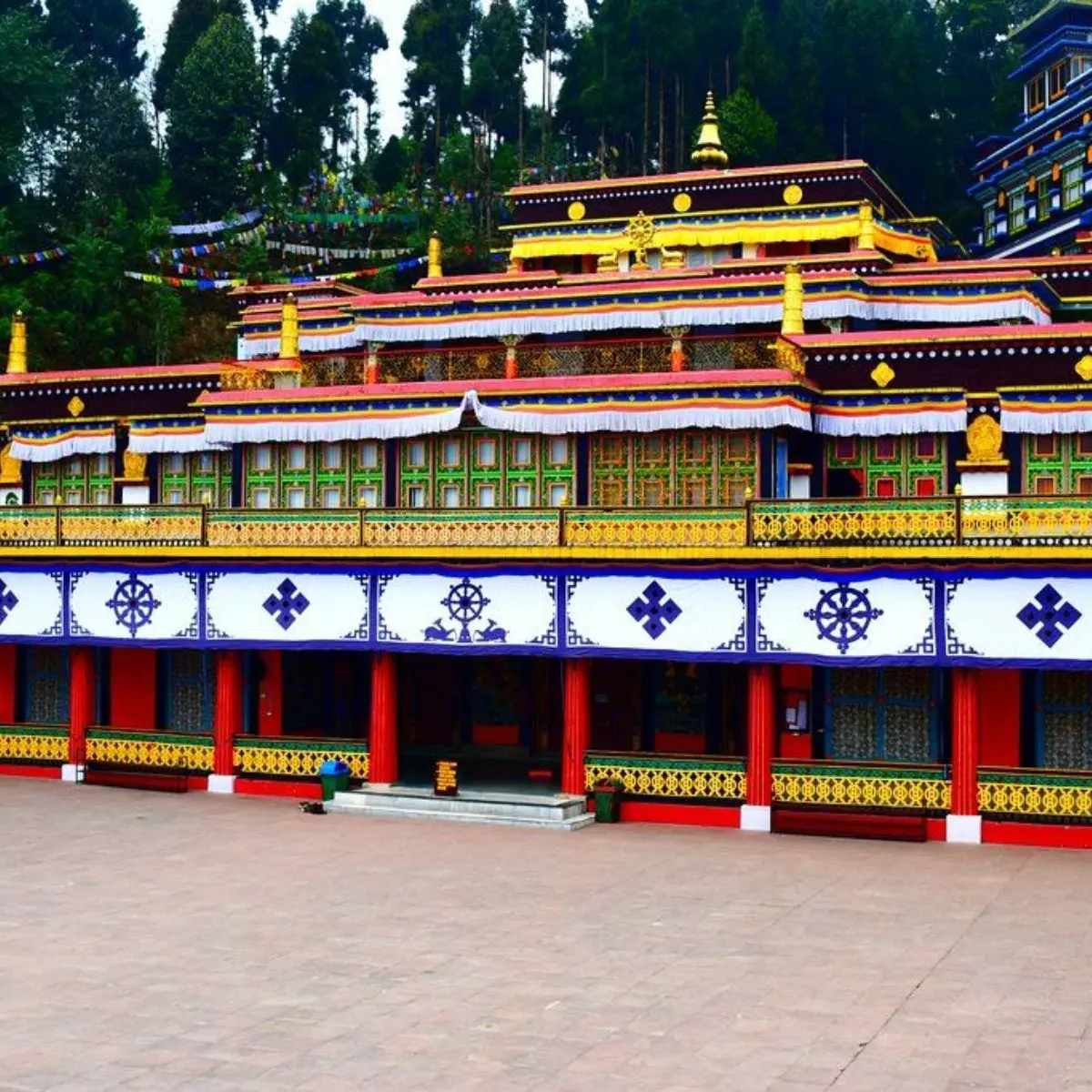
Rumtek Monastery is a massive center for Tibetan Buddhist learning and practice in Sikkim, acting as the main headquarters for the highly respected Karma Kagyu group[cite: 5]. Sitting on a thick, tree-covered hill that looks right over the city of Gangtok, this huge monastery complex is famous around the world for its stunning Tibetan design, beautiful painted murals (thangkas), and deep, echoing prayer chants[cite: 5].

This massive holy site gives visitors a very rare chance to dive deep into the serious ceremonies, brilliant building designs, and beautiful art of Himalayan Buddhism[cite: 5]. Because it is built so high up, it also treats visitors to absolutely breathtaking, wide-open views of the rolling, mountainous landscape all around it[cite: 5].

Tibetan Buddhist SiteKarma Kagyu LineageGrand MonasteryTraditional ArchitectureSpiritual RetreatCultural History
Rumtek Monastery image 1 Rumtek Monastery image 2
Place 09

Khecheopalri Lake

ActivitiesWalking in the woodsViewing the lakeTaking photographsDiscovering cultureExperiencing local faith

Khecheopalri Lake is a highly worshipped, high-altitude holy lake hidden away deep inside the rich, ancient forests of western Sikkim[cite: 5]. Considered incredibly sacred by both Buddhist and Hindu religious groups, this clean, untouched water acts as a major center for the area's spiritual beliefs and local legends[cite: 5].

The thick, heavy roof of the old forest gives the lake a hidden, magical feeling, helping to keep the water and its surroundings perfectly clean and balanced[cite: 5]. Local stories say that these waters have the power to grant wishes, making this spot an absolute must-visit for travelers who love the mix of wild Himalayan nature and deep spiritual faith[cite: 5].

Holy LakeBuddhist SiteHindu SiteForested AreaUntouched NatureSpiritual Travel
Khecheopalri Lake image 1 Khecheopalri Lake image 2 Khecheopalri Lake image 3
Place 10

Zuluk

ActivitiesDriving the scenic routeWalking through the villageTaking photosLooking at the mountainsExperiencing local life

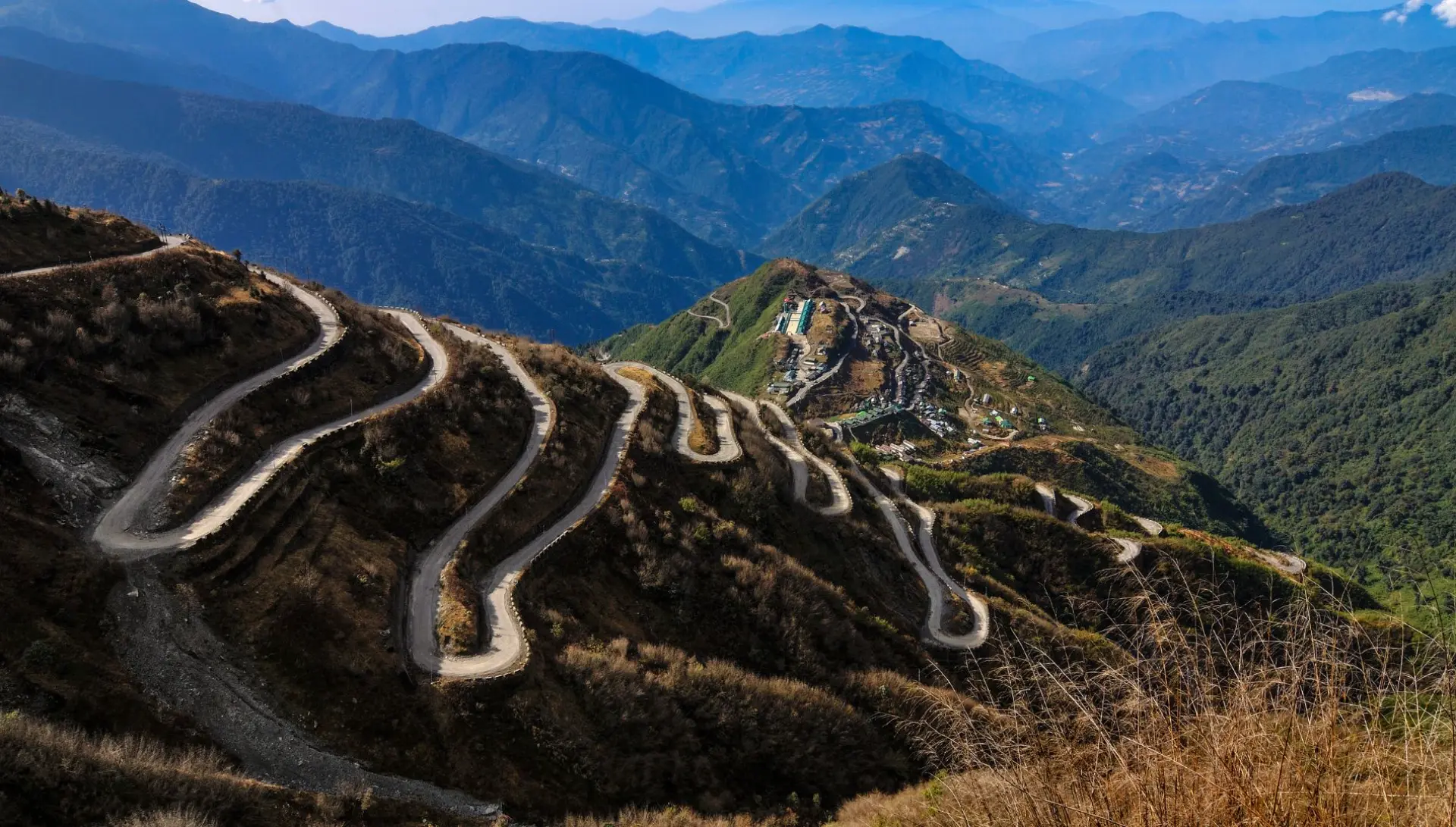
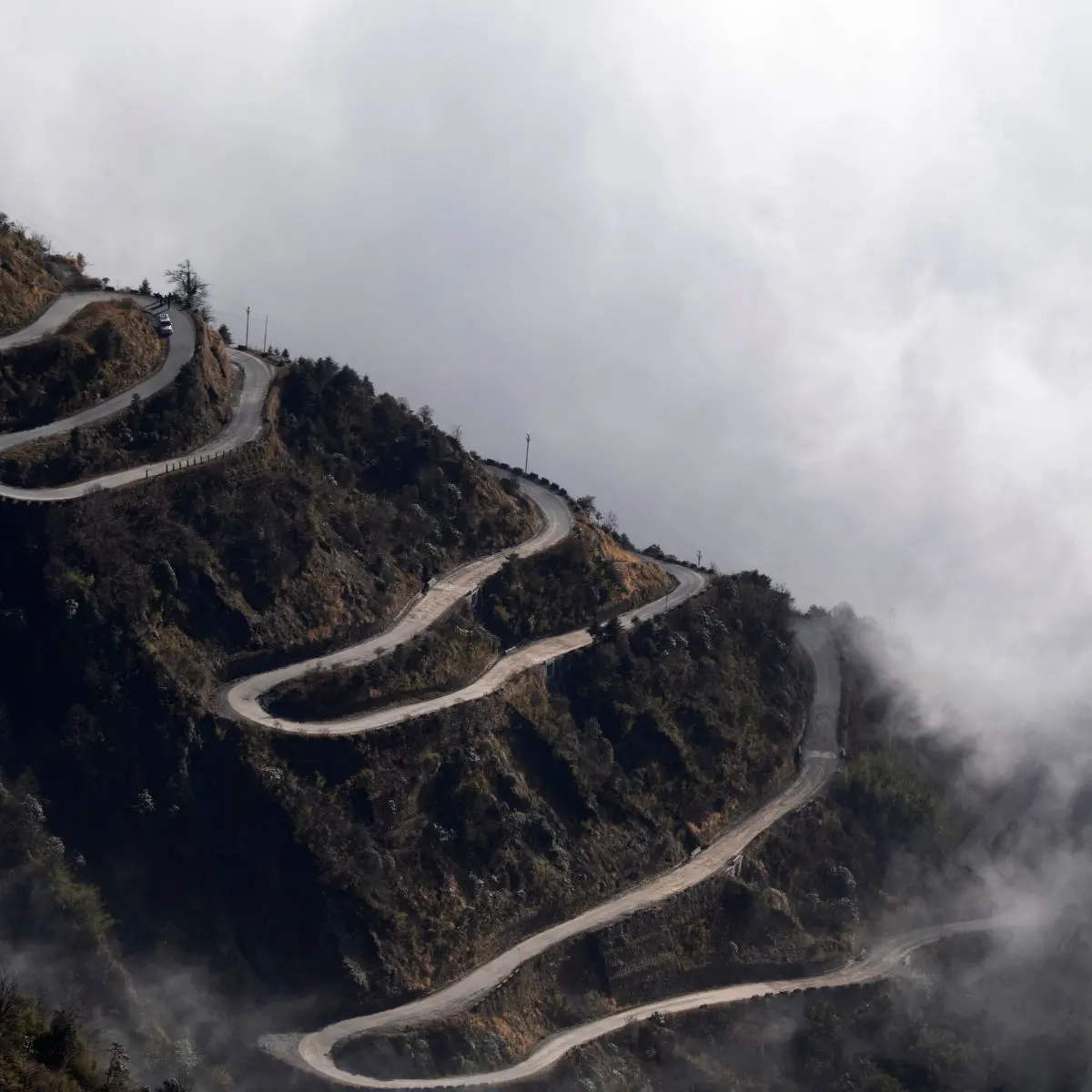
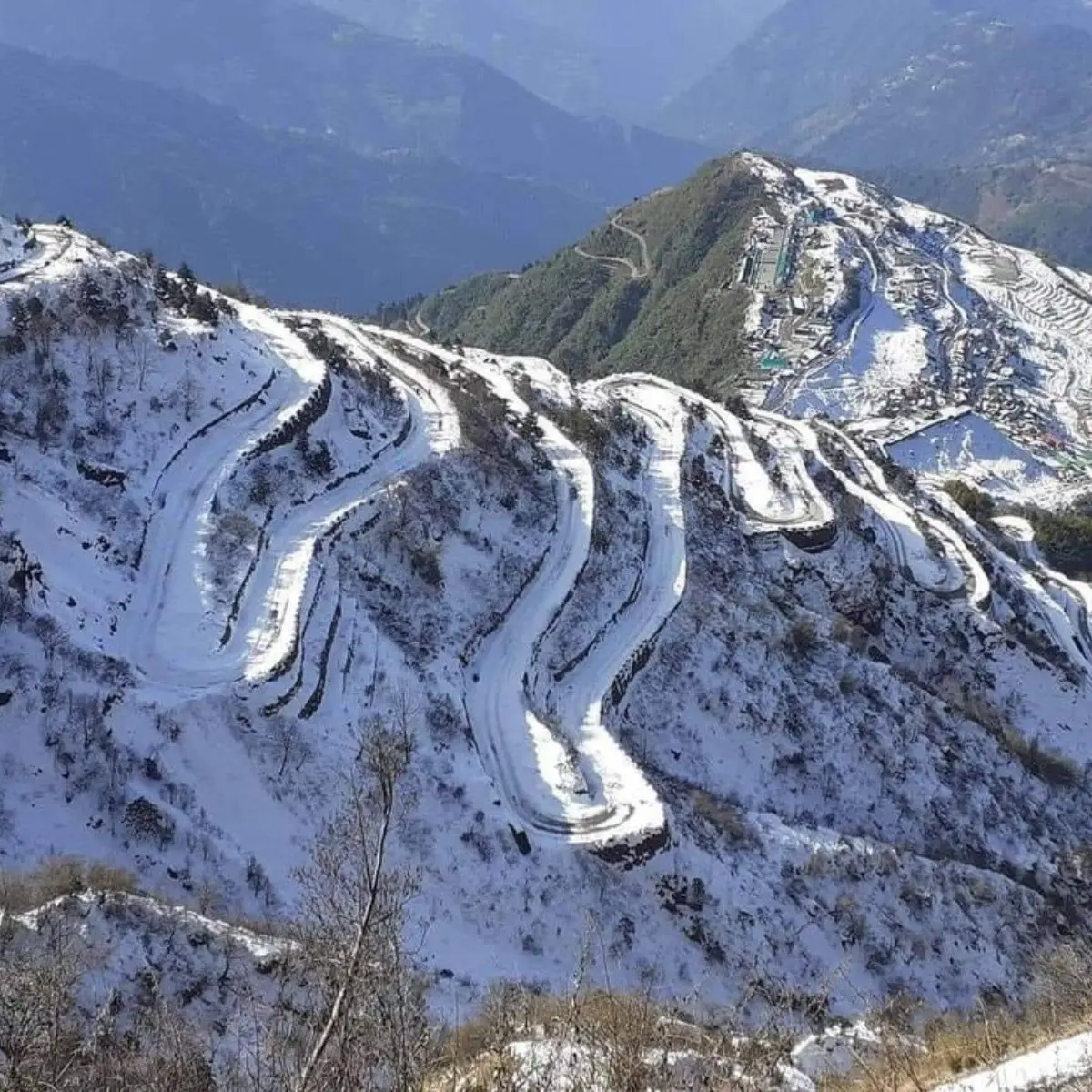
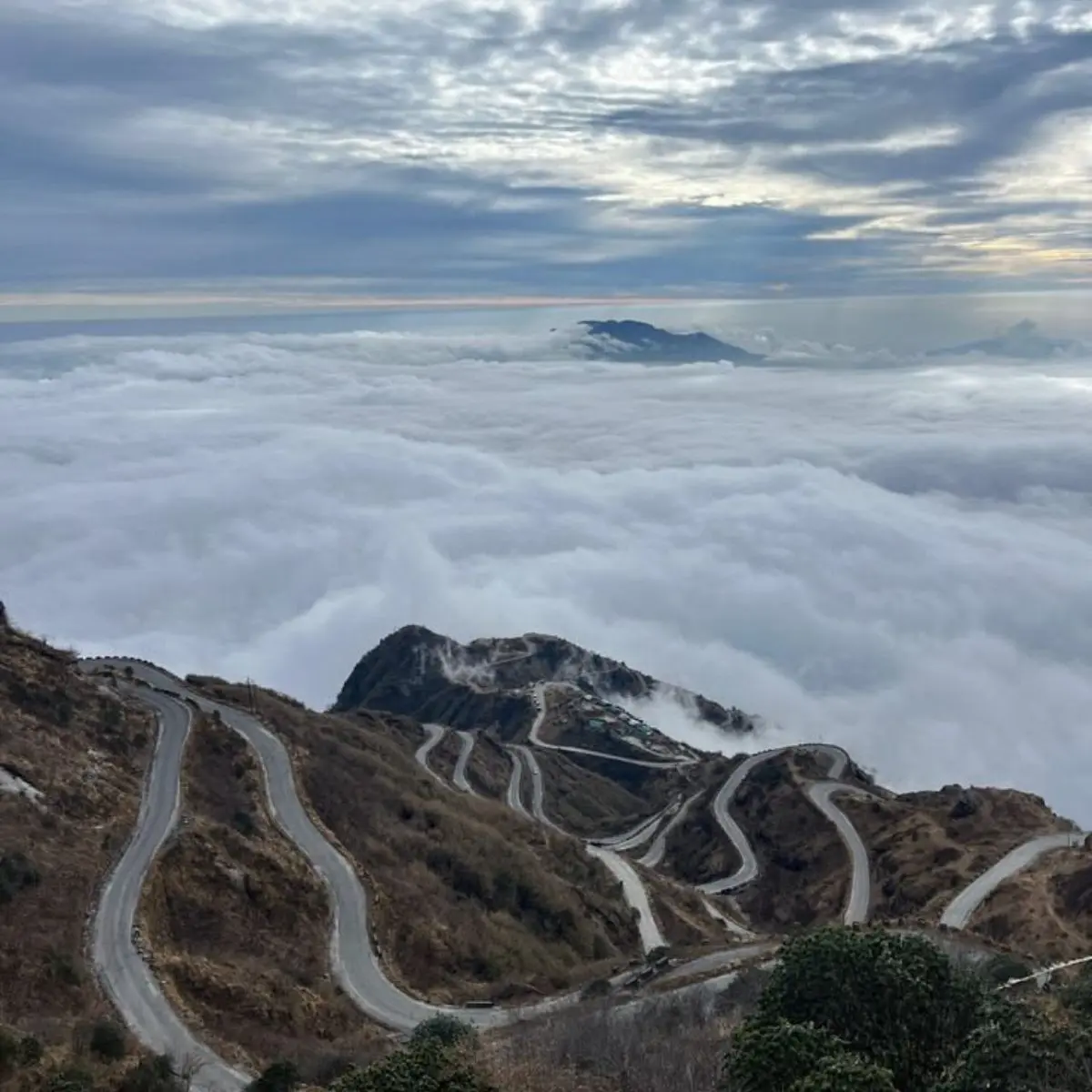
Zuluk is a magical, tiny village hanging on the edge of the steep mountains along the famous Silk Route in eastern Sikkim, perfectly capturing the wild, untouched feel of the Himalayas[cite: 5]. Sitting at an altitude of nearly 2,900 meters, this remote town is famous for its crazy, twisting zig-zag roads and massive, dizzying views that look straight down into the eastern mountain valleys[cite: 5].

The village has carefully kept its simple, old-world charm, giving smart travelers a real taste of the quiet, less touristy side of everyday life in Sikkim[cite: 5]. Because it sits right on the ancient trading path that crossed the continent, the whole area is filled with a heavy, exciting sense of history[cite: 5].

Ancient Silk RouteMountain HamletHimalayan ViewsVillage TourismNature PhotographyMountain Adventure
Zuluk image 1 Zuluk image 2 Zuluk image 3
Place 11

Gurudongmar Lake

ActivitiesViewing the lakeTaking picturesExploring high altitudesLooking at the peaksSpiritual journey

Sitting at a mind-blowing height of 5,180 meters, Gurudongmar Lake is one of the highest lakes in all of India, hidden away in the freezing, distant edges of North Sikkim[cite: 5]. Surrounded by a harsh, empty landscape of rocky mountains and massive sheets of glacier ice, the lake creates an incredibly dramatic, almost alien-looking Himalayan scene[cite: 5].

Considered deeply holy by both Buddhists and Hindus, the lake is a vital piece of the religious and cultural life of this northern borderland[cite: 5]. The extreme height, crazy weather, and very difficult journey make traveling to this lake much more than a simple sightseeing trip—it is a tough, life-changing adventure[cite: 5].

Extreme Altitude LakeHoly WatersGlacier SceneryWild HimalayasLandscape PhotographyExtreme Adventure
Gurudongmar Lake image 1 Gurudongmar Lake image 2 Gurudongmar Lake image 3 Gurudongmar Lake image 4
Place 12

Khangchendzonga National Park

ActivitiesMountain trekkingSpotting wildlifeTaking landscape photosExploring the wildMountaineering trips

Khangchendzonga National Park is a massive, protected nature reserve that completely changes from thick, warm forests at the bottom to extreme, high-altitude environments filled with giant glaciers, freezing plains, and harsh rocky peaks at the top[cite: 5]. The park is named after Mount Kanchenjunga, the third-highest mountain in the world and a peak that is deeply worshipped by the people of Sikkim[cite: 5].

Proudly listed as a UNESCO World Heritage Site, this huge sanctuary is packed with an incredible variety of plants and animals, providing a safe home for rare, local wildlife that has adapted to survive the brutal Himalayan weather[cite: 5]. Its breathtaking landscape perfectly mixes wild, massive natural beauty with deep cultural myths, making it one of the best places on earth for protecting both nature and history[cite: 5].

UNESCO Heritage SiteProtected ParkMount KanchenjungaRare WildlifeMassive GlaciersAlpine NatureRich Biodiversity

Plan with confidence

Travel details

Practical information for planning your time in Sikkim.

When to go

Primary
From March to May
Secondary
During October and November
Description

The absolute best times to travel through the varied landscapes of Sikkim are during the bright bloom of spring and the clear, rain-free days of autumn[cite: 5]. The months from March to May bring comfortable, mild weather, a massive explosion of colorful mountain flowers, and perfect conditions for exploring the lower and middle parts of the state[cite: 5].

On the other hand, October and November are highly loved because the air becomes incredibly clear, providing massive, wide-open views of the giant Himalayan peaks, though the temperatures drop sharply the higher you go[cite: 5]. The harsh winter turns the whole area into a beautiful, snowy paradise, but this comes with a heavy price: many roads get completely blocked by snow, and traveling to the highest areas is often impossible[cite: 5].

The heavy monsoon season, which lasts from June to September, brings massive, non-stop rain, heavy clouds, and a huge chance of dangerous landslides, making driving very risky[cite: 5]. Because of this, anyone planning a big trip into the mountains needs to carefully schedule their travel around these intense weather changes[cite: 5].

Know before you go

Elevation
Value
Ranging from about 280 meters to over 8,500 meters
Unit
meters above sea level
Description

Sikkim features an unbelievably wide range of heights, shooting straight up from warm, low river valleys all the way to the freezing, icy peak of the Kanchenjunga mountain[cite: 5]. This massive change in height creates huge differences in weather, plant life, and how easy it is to travel across different parts of the state[cite: 5].

Climate
Average Range
Usually between -5°C and 24°C
Summer
Typically 12°C to 24°C
Winter
Typically -5°C to 15°C
Description

The temperatures change drastically depending on how high up in the mountains you go[cite: 5]. Middle-height towns like Gangtok enjoy comfortable, mild summers and cool winters, while the extreme northern and eastern borders regularly face brutal, freezing temperatures and thick, blocking snow during the coldest months of the year[cite: 5].
How to reach

By Air
Name

Flying In

Pakyong Airport is the main flight hub actually located inside Sikkim, offering limited flights to a few major cities in India; however, these flights depend heavily on the tricky Himalayan weather[cite: 5]. For most travelers coming from big cities, Bagdogra Airport in nearby West Bengal remains the biggest and most reliable place to fly into[cite: 5].

After landing at Bagdogra, travelers have to take a long, tiring, but incredibly beautiful drive up to Gangtok and other towns, following a winding road that climbs steadily from the flat plains straight up into the steep Himalayan mountains[cite: 5].
By Rail
Name

Taking the Train

New Jalpaiguri Railway Station in West Bengal is the absolute best train stop for anyone heading to Sikkim[cite: 5]. It has a massive network of trains connecting to major cities all over India, acting as the main drop-off point before you switch to a car for the mountain drive[cite: 5].
Once you arrive at New Jalpaiguri, you can easily find plenty of travel options—from private taxis to shared jeeps—that will take you smoothly up into Gangtok and the rest of Sikkim's hilly landscape[cite: 5].

By Road
Name

Driving Up

Driving is the absolute lifeline for getting from place to place inside Sikkim[cite: 5]. Gangtok is heavily connected to Siliguri, New Jalpaiguri, and other nearby mountain towns through a crazy maze of steep, winding roads carved right into the mountainside[cite: 5].

A huge mix of shared taxis, private rented cars, and heavy-duty travel vehicles rule these roads[cite: 5]. However, travel times can change wildly depending on the rough roads, sudden bad weather, heavy traffic, and seasonal road repairs[cite: 5].

Seasonal guide

Name

Spring

Months
From March through May
Temperature
Roughly 8°C to 20°C
Description

Spring brings very welcoming and comfortable weather to the lower and middle heights of Sikkim, kicking off with the amazing blooming of local plants and a slow, clear reveal of the massive mountains all around[cite: 5].

Name

Monsoon

Months
From June through September
Temperature
Roughly 12°C to 24°C
Description

The monsoon season takes over with non-stop, heavy rain and thick fog, which greatly increases the chance of landslides on the winding mountain roads and makes it almost impossible to see the high mountain peaks[cite: 5].

Name

Autumn

Months
During October and November
Temperature
Roughly 5°C to 18°C
Description

Autumn is widely considered the absolute best time for exploring the Himalayas, offering highly stable weather and unbeatable, crystal-clear views across the huge, towering mountain landscape[cite: 5].

Name

Winter

Months
From December through February
Temperature
Roughly -5°C up to 15°C
Description

Winter drops the region into a freezing chill, especially in the northern and eastern edges, where heavy snow often cuts off all travel to the extreme heights[cite: 5]. Even though the lower towns are still easy to reach, they still experience sharply cold, freezing temperatures in the mornings and evenings[cite: 5].

Travel this way

Packages for Sikkim

Start with a route shaped around the character of Sikkim.

View all Sikkim packages
Sikkim Adventure Circuit
6N / 7D Sikkim

Sikkim Adventure Circuit

Trekking trails, monastery roads, and mountain days across Sikkim.

Explore this package
Complete Sikkim Circuit
7N / 8D Sikkim

Complete Sikkim Circuit

A considered route through Gangtok, Pelling, and the high North.

Explore this package